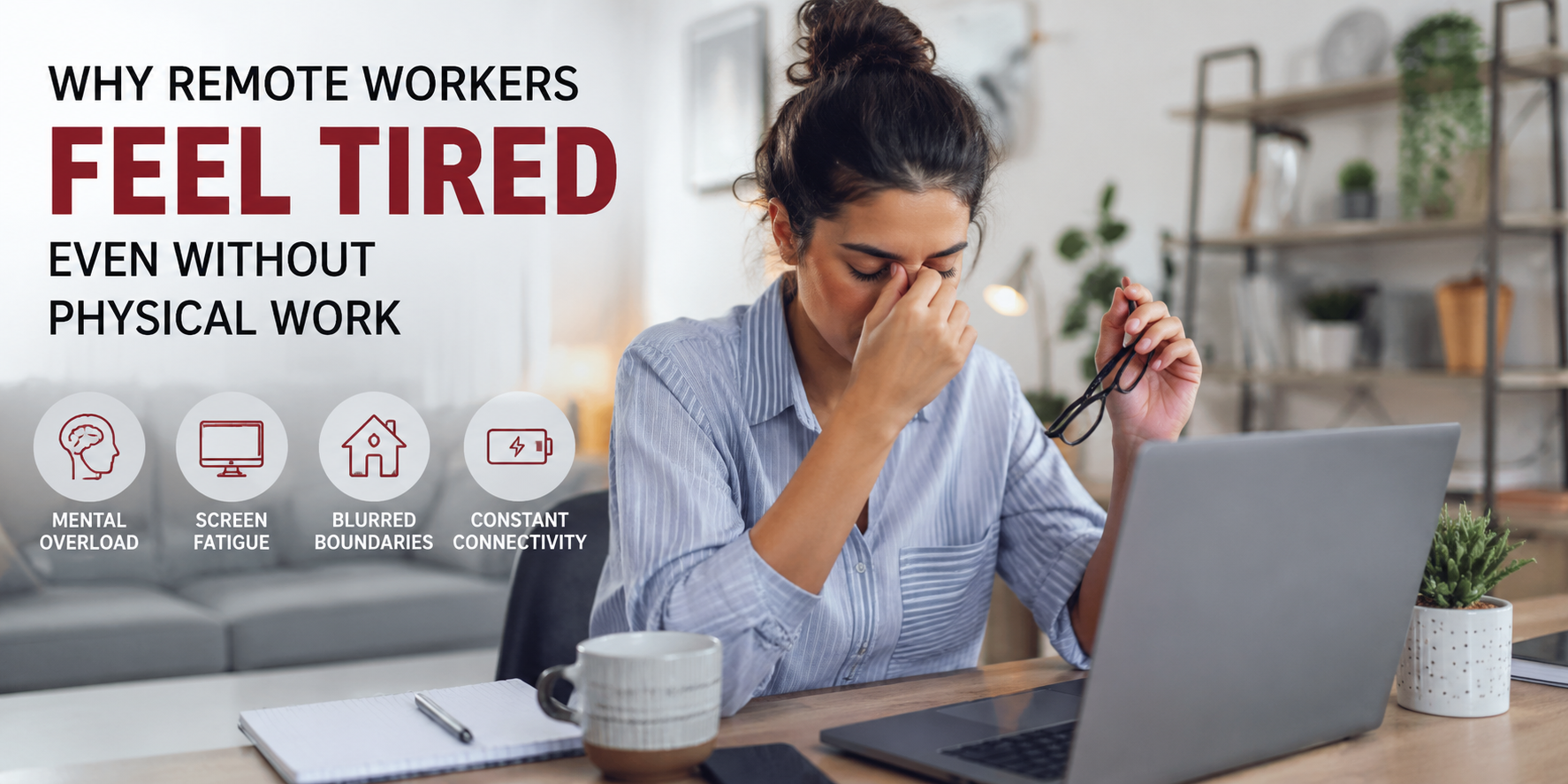
Remote work has changed the way millions of people live and work. While working from home offers flexibility and comfort, many employees still experience deep exhaustion at the end of the day. Surprisingly, this fatigue happens even without intense physical activity.
Understanding remote work fatigue causes is important because mental exhaustion can affect productivity, sleep quality, emotional wellbeing, and long-term health. Many remote workers are mentally overworked even when their bodies remain physically inactive for most of the day.
The problem is not simply “working too much.” The real issue is the constant digital stimulation, emotional pressure, and blurred boundaries created by remote work culture.
Remote Work Fatigue Causes Continuous Mental Overload
One of the biggest remote work fatigue causes is cognitive overload.
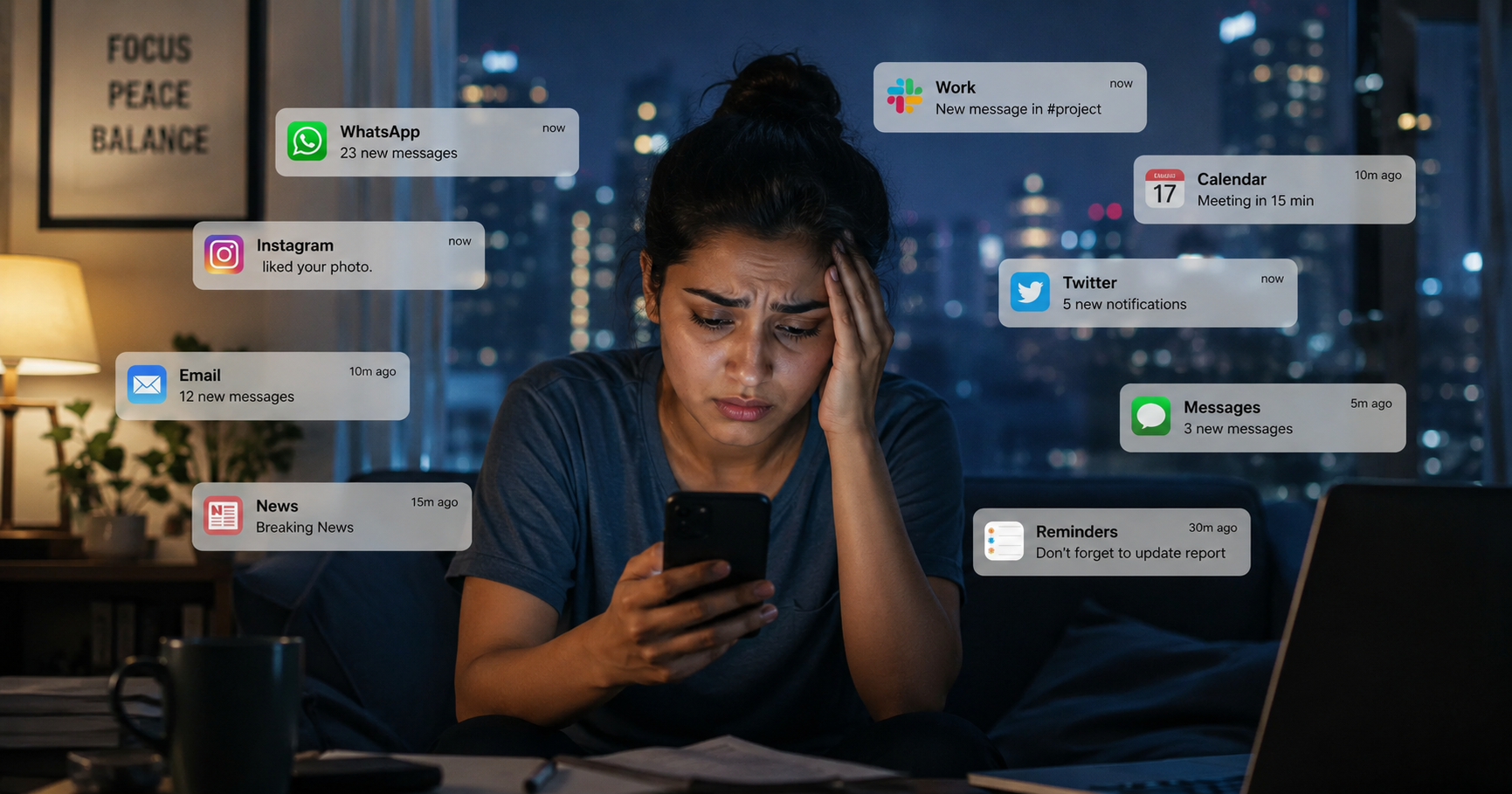
Remote workers constantly switch between tasks, notifications, emails, video calls, and messaging platforms. The brain remains active for hours without enough recovery time.
A typical remote workday may involve:
- attending virtual meetings
- responding to instant messages
- multitasking across tabs
- managing deadlines online
- checking notifications repeatedly
Even though these activities are not physically demanding, they require intense mental focus. The brain consumes significant energy when processing information continuously throughout the day.
Over time, this nonstop cognitive activity creates mental exhaustion that feels similar to physical tiredness.
Digital Presenteeism Is One of the Biggest Remote Work Fatigue Causes
Another major factor behind remote work fatigue causes is digital presenteeism.
Many remote workers feel pressure to appear constantly available online. Unlike traditional office jobs where leaving the building signals the end of work, remote work often extends into personal time.
Employees may continue checking:
- Slack notifications
- work emails
- project updates
- late-night messages
- meeting reminders
This creates a state where the brain never fully disconnects from work mode.
Without clear boundaries, stress levels remain elevated for long periods. The nervous system stays alert, preventing proper mental recovery.
As a result, people may feel tired even after spending the entire day sitting at home.
Excessive Screen Time Increases Remote Work Fatigue
Screen fatigue is another important reason behind remote work fatigue causes.
Remote workers spend most of their day staring at laptops, phones, and video calls. Video meetings especially require more concentration because the brain works harder to process digital communication cues.
This prolonged screen exposure may contribute to:
- eye strain
- headaches
- poor concentration
- sleep disruption
- mental fog
Blue light exposure during evening hours can also affect melatonin production and sleep quality. Poor sleep further increases fatigue the next day, creating a cycle of exhaustion.
This is one reason many remote workers wake up feeling tired despite getting enough hours of sleep.
Try OLLY Restful Sleep Gummy Supplement with Melatonin & L-Theanine Chamomile, Blackberry Zen, Supports a Healthy Sleep Cycle
Lack of Movement Is Among Common Remote Work Fatigue Causes
Physical inactivity can surprisingly increase tiredness.
Traditional workplaces naturally include movement through commuting, walking between meetings, climbing stairs, or stepping outside during breaks. Remote workers may remain seated for several hours without regular movement.
Lack of movement can reduce:
- blood circulation
- oxygen flow
- muscle activity
- energy levels
The body was designed for regular physical activity. When movement decreases, people often experience sluggishness, stiffness, and lower motivation.
Even short walking breaks throughout the day can improve mental clarity and energy levels significantly.
10 Powerful Walking Habits for Better Physical and Mental Health
Blurred Work-Life Boundaries Create Emotional Exhaustion
One of the most overlooked remote work fatigue causes is the disappearance of separation between work and personal life.
Many people now work from:
- bedrooms
- dining tables
- couches
- shared family spaces
When the home becomes the workplace, the brain struggles to switch into relaxation mode.
Remote workers may continue thinking about tasks long after work hours end. Some answer emails during meals or keep notifications active late at night.
Without a clear boundary between work and rest, emotional recovery becomes difficult. Over time, this creates chronic stress and mental exhaustion.
Social Isolation Also Contributes to Remote Work Fatigue
Human interaction plays an important role in emotional wellbeing.
Remote workers often miss spontaneous office conversations, shared lunches, and casual interactions that naturally reduce stress during the day.
Long periods of isolation can contribute to:
- loneliness
- emotional fatigue
- low motivation
- reduced engagement
Even highly independent people can experience emotional burnout when social connection decreases for extended periods.
This emotional strain becomes another hidden contributor to remote work fatigue causes.
Hygge for Burnout: Simple Rituals to Feel Safe, Slow, and Rested Again
How to Reduce Remote Work Fatigue
Managing remote work fatigue requires intentional boundaries and healthier digital habits.
Create a Fixed Work Schedule
Set clear start and end times for work to prevent overworking.
Take Frequent Movement Breaks
Stretch, walk, or stand regularly during the day.
Limit After-Hours Notifications
Turn off unnecessary work alerts after office hours.
Separate Workspaces From Relaxation Areas
A dedicated work corner can help the brain distinguish between work and rest.
Prioritize Offline Recovery
Real rest includes time away from screens and digital stimulation.
Final Thoughts on Remote Work Fatigue Causes
Remote work may appear physically easy, but the mental demands can be overwhelming. The biggest remote work fatigue causes include digital overload, constant online pressure, screen fatigue, lack of movement, blurred boundaries, and emotional isolation.
As remote work becomes more common worldwide, maintaining mental wellbeing is becoming essential. Productivity should not come at the cost of constant exhaustion.
Understanding these remote work fatigue causes can help workers create healthier routines, protect their energy, and build a more sustainable work-life balance in the digital age.
Simple Wellness Tips for Remote Workers
Best Herb
🌿 Ashwagandha — Helps support stress management, mental calmness, and energy balance during long workdays. Buy Here
Best Exercise
🚶 30-minute brisk walk — Improves circulation, reduces mental fatigue, boosts mood, and helps break screen-time exhaustion.
One Daily Habit
📵 1 hour screen-free before sleep — Helps the brain disconnect from work mode, improves sleep quality, and reduces digital fatigue.