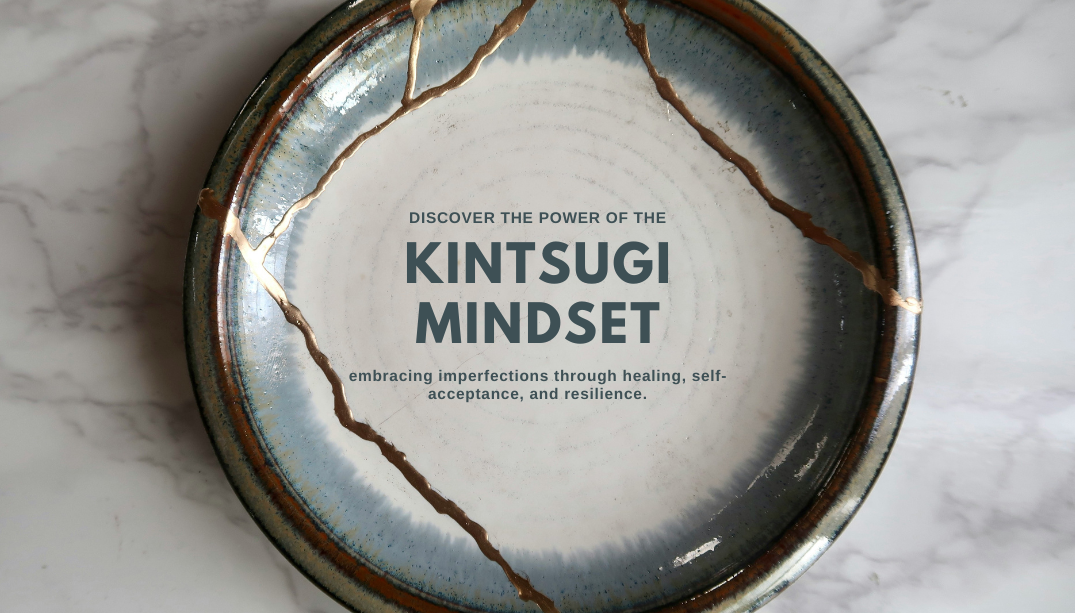
Abusing in the name of criticism is often disguised as honesty, but repeated harsh judgment can quietly damage confidence, emotional safety, and human connection.
Abusing in the Name of Criticism: Why Harsh Judgment Is Damaging Relationships and Mental Health
We are living in a time where “being brutally honest” is often celebrated more than being kind. Many people justify rude behavior, humiliation, sarcasm, or emotional attacks by calling it “constructive criticism.” But there is a huge difference between helping someone grow and repeatedly hurting them in the name of honesty.
Abusing in the name of criticism has become deeply normalized in relationships, workplaces, families, friendships, and especially on social media. What many fail to realize is that constant negative judgment does not build stronger people. In many cases, it creates insecurity, emotional exhaustion, anxiety, and self-doubt.
Healthy criticism can guide a person toward improvement. Toxic criticism attacks their worth.
Understanding this difference is important because words shape emotional safety. And emotional safety shapes mental well-being.
The Difference Between Criticism and Emotional Abuse
Criticism becomes harmful when the intention shifts from helping to controlling, humiliating, or overpowering another person.
Constructive criticism focuses on behavior:
- “You could improve this presentation by speaking more slowly.”
Toxic criticism attacks identity:
- “You are terrible at speaking.”
One encourages growth. The other creates shame.
People who abuse in the name of criticism often believe harshness makes them superior, intelligent, or emotionally strong. But constant negativity usually reflects unresolved anger, insecurity, frustration, or a need for dominance.
True guidance comes with empathy. Abuse comes with emotional injury.
Why This Mindset Is So Concerning
The normalization of harsh criticism is concerning because it slowly conditions people to accept disrespect as normal communication.
Over time, victims begin to:
- Doubt their abilities
- Fear expressing themselves
- Walk on emotional eggshells
- Seek constant approval
- Lose confidence in decision-making
This is especially dangerous in close relationships. A parent, partner, friend, or manager who constantly disguises insults as “honesty” can deeply affect a person’s emotional health.
Many individuals grow up believing:
- “If someone criticizes me constantly, they care about me.”
- “I should tolerate harsh words to become stronger.”
- “Sensitivity is weakness.”
But emotional wounds are real. Repeated verbal attacks can stay in the nervous system for years.
Social Media Has Amplified Toxic Criticism
Online culture has intensified the problem. Today, people openly insult strangers while calling it “free speech,” “facts,” or “just my opinion.”
The internet rewards outrage. Harsh comments get attention faster than thoughtful conversations. As a result, many people confuse cruelty with confidence.
Public shaming, trolling, mocking appearances, attacking lifestyles, and humiliating people for mistakes have become entertainment online.
The emotional impact, however, is serious.
Studies around cyberbullying and online harassment continue to show links with anxiety, depression, loneliness, and low self-esteem. The human brain does not simply ignore repeated negativity because it comes through a screen.
Words still affect the nervous system.
Research: Cyberbullying on social media is a significant public health concern. This paper systematically reviews the existing literature on cyberbullying to provide a clearer understanding of how it is defined and reported in terms of prevalence and impact. Read the report.
Honest Communication Does Not Require Humiliation
One of the biggest misconceptions is that kindness weakens honesty.
In reality, emotionally mature people know how to communicate truth without disrespect. They understand that accountability and compassion can exist together.
You can disagree without insulting.
You can correct without degrading.
You can guide without shaming.
People are more likely to improve when they feel emotionally safe, not emotionally attacked.
A healthy conversation sounds like:
- “I understand your perspective, but I think this could be handled differently.”
A toxic interaction sounds like:
- “You never do anything right.”
The goal of healthy communication is resolution.
The goal of toxic criticism is often emotional superiority.
Why Some People Hide Abuse Behind “Honesty”
Many individuals who constantly criticize others are not necessarily trying to help. Sometimes criticism becomes a defense mechanism.
People may use harsh judgment because:
- They were raised in critical environments
- They feel powerless in other areas of life
- They struggle with emotional regulation
- They equate dominance with strength
- They project their own insecurities onto others
Unfortunately, hurt people often repeat emotional patterns they experienced themselves.
But understanding the reason behind toxic behavior does not mean accepting it.
Being “honest” is never an excuse for emotional cruelty.
The Psychological Impact of Constant Criticism
The human nervous system is highly sensitive to repeated negative feedback. Constant criticism can trigger stress responses similar to emotional threat.
Over time, people exposed to toxic criticism may experience:
- Chronic anxiety
- Emotional numbness
- Overthinking
- Fear of failure
- Low self-worth
- Perfectionism
- Difficulty trusting themselves
Children exposed to constant criticism may grow into adults who become people-pleasers or harsh self-critics.
Even high-performing individuals can silently struggle when their environment lacks emotional support.
Words become internal voices.
This is why emotionally safe communication matters so much in families, relationships, and workplaces.
Healthy Criticism Helps Growth
Criticism itself is not the enemy. Growth often requires feedback.
But healthy criticism has certain qualities:
- It is respectful
- It is specific
- It focuses on improvement
- It comes from care, not ego
- It does not attack dignity
Constructive feedback empowers.
Toxic criticism weakens identity.
Before criticizing someone, it helps to ask:
- Am I trying to help or hurt?
- Would I say this in a calmer way?
- Is my tone respectful?
- Am I addressing behavior or attacking character?
These questions create emotionally intelligent communication.
Why Emotional Intelligence Matters More Than Brutal Honesty
Modern culture often glorifies blunt personalities. But emotional intelligence is far more valuable than aggressive honesty.
Emotionally intelligent people understand:
- Timing matters
- Tone matters
- Empathy matters
- Delivery matters
A truthful message delivered with compassion creates trust.
The same message delivered with humiliation creates emotional distance.
Kindness and honesty are not opposites.
The strongest communicators know how to balance both.
Final Thoughts
Abusing in the name of criticism is harmful because it disguises emotional damage as honesty. While constructive feedback can inspire growth, repeated harsh judgment often destroys emotional safety, confidence, and trust.
The world does not need more cruelty disguised as truth.
It needs more emotionally aware communication.
People remember how conversations made them feel long after the words are spoken.
Criticism should build people, not break them.
Latest News related to this: The Supreme Court expressed concerns regarding the misuse of freedom of speech on social media, observing that objectionable posts incite hatred and burden the legal system. The court questioned why citizens couldn’t self-regulate, emphasizing the importance of restraint and responsibility when exercising free speech. Read More