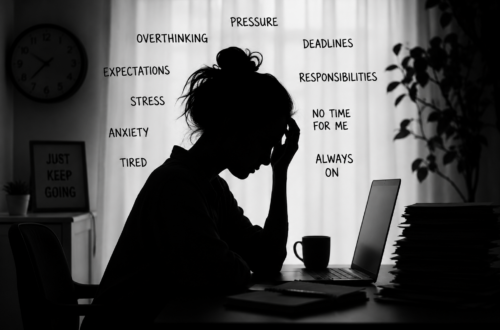
If you constantly feel mentally exhausted by mid-afternoon, you aren’t alone—decision fatigue burnout has quietly become the modern workplace’s newest crisis.
Every morning, before you even open your laptop, you make dozens of decisions.
- Do I hit snooze or get up?
- What should I wear?
- Oat milk or almond milk?
- Which email demands an immediate reply?
- Which Slack channel needs attention first?
By the time 2:00 PM rolls around, you aren’t necessarily physically exhausted, but your mind feels like a phone battery sitting at 3%. You find yourself re-reading the same email three times, putting off basic choices, or snapping at a innocent question like “What do you want for dinner?”
This isn’t typical physical fatigue, nor is it classic workplace burnout caused purely by overwork. This is decision fatigue—and it has become the defining mental health challenge of the modern digital era.
What Is Decision Fatigue?
Decision fatigue is a psychological phenomenon where the quality of choices made by an individual deteriorates after a long session of decision-making.
Coined by social psychologist Roy F. Baumeister, the concept stems from the theory of ego depletion—the idea that willpower and mental focus draw from a finite reservoir of energy. Every decision you make, big or small, drains a drop from that reservoir.
[ Wake Up ] ➔ [ Small Choices ] ➔ [ Work Demands ] ➔ [ Digital Alerts ] ➔ [ Energy Depletion ]
                                                                             │
                                                                             ▼
                                                                  DECISION FATIGUE
While traditional burnout stems from prolonged stress, overwork, and lack of agency, decision fatigue occurs even when you enjoy your job. It is driven not by doing too much, but by choosing too much.
The Science: Why Your Brain Gets Overwhelmed
Your brain makes roughly 35,000 decisions every single day.
To process decisions, your brain relies heavily on the prefrontal cortex—the region responsible for executive function, logical reasoning, and impulse control. However, the prefrontal cortex burns glucose rapidly when forced to weigh options and trade-offs.
When your cognitive load stays constantly high, your brain seeks efficiency shortcuts. It typically does this in two ways:
- Impulsivity: Making reckless, unconsidered choices just to get the decision over with (e.g., ordering expensive takeout instead of cooking).
- Avoidance / Paralysis: Refusing to decide anything at all, procrastinating on key projects, or defaulting to the status quo.
5 Warning Signs You Are Suffering From Decision Fatigue
Decision fatigue often sneaks up quietly. Here are the key indicators that your cognitive energy is running on empty:
- Brain Fog & Indecisiveness: Even basic choices (like choosing a TV show or picking lunch) feel utterly overwhelming.
- Procrastination on High-Stakes Tasks: Pushing off important strategic decisions in favor of mindless admin work.
- Impulsive Spending or Eating: Loss of willpower late in the day, leading to impulse buys or poor diet choices.
- Emotional Irritability: Uncharacteristic annoyance when family members or colleagues ask simple questions.
- Choice Paralysis: Scrolling endlessly through options (streaming platforms, shopping sites) without ever making a selection.
Decision Fatigue vs. Traditional Burnout
Understanding the distinction helps you apply the correct solution:
| Feature | Decision Fatigue | Traditional Burnout |
| Primary Cause | High volume of micro-choices | Chronic overwork, toxic environment |
| Onset | Fluctuates daily (worse by evening) | Cumulative over months or years |
| Core Feeling | Mental numbness, choice paralysis | Cynicism, detachment, exhaustion |
| Key Fix | Automation, routine, choice elimination | Rest, boundaries, structural life changes |
5 Practical Strategies to Prevent Decision Fatigue
You cannot eliminate decisions entirely, but you can systematically protect your prefrontal cortex from unnecessary strain.
1. Automate Low-Stakes Micro-Decisions
Eliminate daily trivial choices by creating fixed routines.
- Adopt a daily work outfit or functional capsule wardrobe (a strategy famous among executives like Steve Jobs and Barack Obama).
- Meal prep weekly or establish fixed theme nights (e.g., Meatless Monday, Taco Tuesday).
- Lay out your workspace and clothes the night before.
2. Practice “Decision Batching”
Avoid making choices ad-hoc throughout the day. Group similar operational tasks together:
- Process emails at designated times (e.g., 10 AM and 4 PM) rather than continuously checking inbox updates.
- Block specific time slots for administrative approvals so they don’t interrupt deep strategic work.
3. Eat the Big Frog First
Because your willpower and mental clarity peak early in the day, schedule high-impact, strategic decisions for the morning. Save low-energy tasks—like organizing files or scanning reports—for the late afternoon.
4. Limit Options Artificially
The human brain struggles when evaluating more than 3–4 choices simultaneously.
- Use the Rule of Three: Narrow complex options down to three candidates before making a final pick.
- Give yourself time limits (e.g., “I have 2 minutes to pick a dinner spot”).
5. Build Off-Ramps for Your Brain
When decision fatigue sets in during the afternoon, stepping away is more effective than pushing through. Take a 15-minute walk without technology, practice brief box breathing, or enjoy a silent coffee break to restore depleted glucose and quiet cognitive noise.
Reclaiming Your Cognitive Energy
In our hyper-connected world, options are marketed as freedom. But unconditional abundance without structure leads directly to cognitive overload.
By setting boundaries around your attention, automating routine choices, and prioritizing high-value decisions, you protect your brain from burnout—ensuring you have energy left for what truly matters.
Checkout: Signs You’re Living in Survival Mode (And How to Find Your Way Back)