Discover 12 simple ways to practice mindfulness without meditation using simple daily habits. Learn practical ways to reduce stress, improve focus, and find calm.
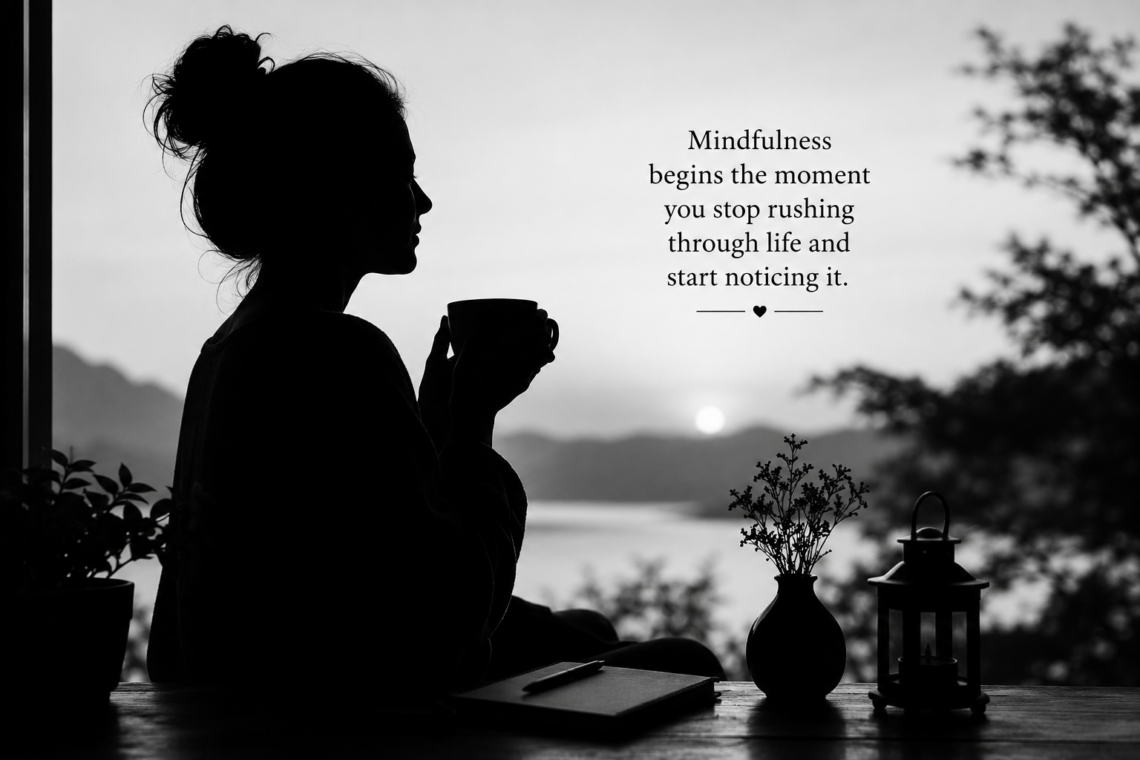
“Mindfulness isn’t something you schedule. It’s something you remember—one ordinary moment at a time.”
When most people hear the word mindfulness, they immediately imagine someone sitting cross-legged in silence, eyes closed, focusing on their breath.
While meditation is certainly one path to mindfulness, it isn’t the only one.
In fact, many people struggle with traditional meditation. Sitting still can feel frustrating. Busy schedules make long meditation sessions difficult. Some simply don’t connect with the practice.
The good news is this:
Mindfulness is not about how you sit. It’s about how you live.
It is the simple art of paying attention to what is happening right now without rushing to judge, fix, or escape it.
Whether you’re cooking breakfast, driving to work, watering plants, or folding laundry, every ordinary moment can become an opportunity to practice mindfulness.
Here are practical ways to become more mindful without ever meditating.
What Is Mindfulness?
Mindfulness is the practice of bringing your full awareness to the present moment.
Instead of replaying yesterday’s mistakes or worrying about tomorrow’s uncertainties, mindfulness gently returns your attention to what is happening now.
It means noticing:
- your thoughts
- your emotions
- your body
- your surroundings
without immediately reacting to them.
Mindfulness doesn’t remove stress from life.
It changes your relationship with stress.
Why You Don’t Need Meditation to Be Mindful
Meditation is a formal exercise.
Mindfulness is a way of living.
Think of meditation as going to the gym.
Mindfulness is choosing healthier movements throughout your day.
Every moment offers an invitation to return to the present.
You simply need to notice it.
1. Practice Mindful Breathing Throughout the Day
You don’t need twenty minutes.
You only need one conscious breath.
Whenever you remember, pause.
Take a slow inhale.
Feel your lungs expand.
Exhale gently.
Notice the sensation of air leaving your body.
Three mindful breaths can interrupt anxiety, calm the nervous system, and bring you back to yourself.
2. Eat Without Distractions
Many meals disappear while we’re scrolling our phones or watching television.
Instead, try eating one meal each day without distractions.
Notice:
- the aroma
- the texture
- the colors
- the flavors
Chew slowly.
Appreciate the effort that brought the food to your plate.
Eating becomes nourishment instead of another rushed task.
3. Walk With Awareness
Walking is one of the easiest mindfulness practices.
Instead of mentally rehearsing tomorrow’s meeting, simply notice:
- your footsteps
- the movement of your body
- the breeze on your skin
- birds singing
- leaves moving
Even a five-minute mindful walk can refresh your mind.
4. Listen Completely
Most conversations are spent preparing our response instead of truly listening.
Mindful listening means giving someone your full attention.
Notice their words.
Observe their tone.
Allow silence without rushing to fill it.
When people feel heard, relationships deepen.
5. Slow Down One Daily Activity
Choose one routine activity.
It could be:
- making tea
- brushing your teeth
- washing dishes
- folding clothes
Instead of rushing through it, perform it deliberately.
Feel each movement.
Notice the sensations.
Ordinary tasks become grounding rituals.
6. Notice Your Thoughts Without Following Them
Our minds constantly produce thoughts.
Mindfulness isn’t about stopping them.
It’s about observing them.
Rather than saying,
“I am anxious,”
try saying,
“I’m noticing anxious thoughts.”
This small shift creates emotional space and reduces identification with passing emotions.
7. Spend Time in Nature
Nature naturally invites presence.
Notice:
- clouds moving
- sunlight through leaves
- birds flying
- rain falling
- flowers blooming
Even ten minutes outside can quiet mental noise.
Nature teaches mindfulness without saying a word.
8. Put Your Phone Away Intentionally
Technology constantly competes for our attention.
Create small moments without screens.
Leave your phone in another room during meals.
Take short walks without headphones.
Wait in a queue without checking notifications.
These tiny pauses reconnect you with the present.
9. Practice Gratitude Through Observation
Gratitude becomes mindfulness when you truly notice what is already here.
Each evening, ask yourself:
- What made me smile today?
- What beauty did I overlook?
- What am I thankful for right now?
The goal isn’t forced positivity.
It’s noticing abundance that already exists.
10. Feel Your Emotions Instead of Escaping Them
When difficult emotions arise, we often distract ourselves.
Mindfulness encourages us to pause.
Ask yourself:
“What am I feeling right now?”
Instead of pushing emotions away, allow them space.
Emotions become easier to process when we stop resisting them.
11. Focus on One Thing at a Time
Modern life celebrates multitasking.
Our brains don’t.
Doing one thing with full attention often leads to better focus and less stress.
Whether writing an email, drinking coffee, or talking to a friend, give your complete attention to that single activity.
Presence is productivity.
12. End Your Day With Reflection
Before sleeping, spend two quiet minutes asking:
- When did I feel most present today?
- What distracted me?
- What moment brought me peace?
Reflection strengthens awareness.
Awareness gradually transforms how we live.
Common Myths About Mindfulness
Myth 1: Mindfulness means emptying your mind.
Truth: Your mind will always think. Mindfulness simply helps you observe thoughts without becoming overwhelmed by them.
Myth 2: You need lots of free time.
Truth: Many mindful moments last less than one minute.
Myth 3: Mindfulness eliminates stress.
Truth: It helps you respond to stress with greater calm instead of automatic reaction.
The Beauty of Everyday Mindfulness
Mindfulness isn’t another task to complete.
It isn’t something to perfect.
It’s a gentle remembering.
Life isn’t happening somewhere in the future after everything becomes easier.
It’s happening while the kettle boils.
While your child tells you a story.
While rain taps against your window.
While you breathe.
The extraordinary is often hidden inside the ordinary.
The more present you become, the more life you begin to notice.
You don’t need a meditation cushion to find peace.
Sometimes, all you need is this moment.
Frequently Asked Questions (FAQs)
Can I practice mindfulness without meditating?
Absolutely. Mindfulness can be practiced through everyday activities like walking, eating, breathing, listening, and paying attention to the present moment.
How long should mindfulness practice take?
Even one to five minutes of intentional awareness can make a difference. The goal is consistency, not duration.
Is mindfulness good for anxiety?
Mindfulness can help people become more aware of anxious thoughts without immediately reacting to them. While it isn’t a substitute for professional treatment when needed, many people find it helps reduce stress and improve emotional balance.
What is the easiest mindfulness habit to start?
Begin with mindful breathing. Pause several times a day and take three slow, conscious breaths while noticing the sensations in your body.
Suggested Readers Corner