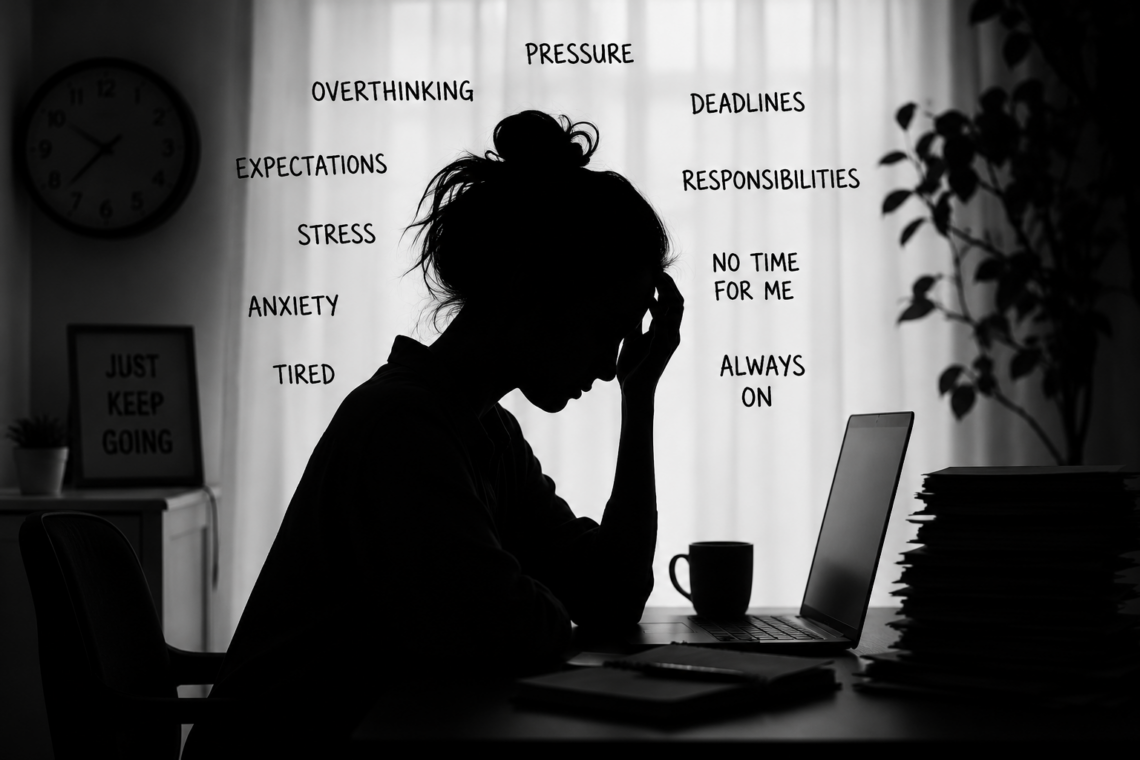
The signs you’re living in survival mode aren’t always obvious—they often disguise themselves as productivity, responsibility, and simply “getting through the day.”
There are seasons in life when simply making it through the day feels like an achievement. We wake up, complete our responsibilities, respond to messages, meet deadlines, care for our families, and collapse into bed, only to repeat the cycle the next morning.
From the outside, everything appears normal.
Inside, however, something feels disconnected.
This is often what survival mode looks like. It isn’t always caused by a major crisis. Sometimes it develops quietly after months—or even years—of chronic stress, emotional exhaustion, caregiving, workplace pressure, financial worries, grief, or simply carrying more than one person was meant to hold.
The human nervous system is designed to protect us during danger. But when stress becomes our normal state, our mind and body forget how to relax. We stop living fully and begin merely surviving.
Here are some subtle signs that you may be living in survival mode.
1. You’re Constantly Busy, Yet Never Feel Accomplished
Your to-do list never ends.
Even after crossing off several tasks, you don’t experience satisfaction. Instead, your mind immediately searches for the next problem to solve.
Rest begins to feel uncomfortable because productivity has become your measure of safety.
You are no longer working because you choose to—you are working because slowing down feels unfamiliar.
2. Small Problems Feel Overwhelming
Have you ever cried because someone misplaced your keys or because one extra email arrived in your inbox?
It’s rarely about the keys or the email.
When your nervous system is already overloaded, even minor inconveniences can feel enormous. Your emotional capacity has been stretched so thin that there is very little space left for unexpected challenges.
3. You Find It Difficult to Feel Joy
You smile.
You laugh.
You participate in conversations.
Yet genuine excitement feels distant.
Activities you once loved now seem like obligations. Books remain unfinished. Hobbies gather dust. Music becomes background noise instead of something that moves your soul.
Survival mode often dulls both painful and joyful emotions.
4. You’re Always Preparing for the Next Problem
Even during peaceful moments, your mind refuses to rest.
“What if something goes wrong?”
“What have I forgotten?”
“What should I prepare for next?”
Living in constant anticipation of problems keeps your body in a state of vigilance. Peace begins to feel temporary instead of natural.
5. Rest Makes You Feel Guilty
You finally sit down.
Instead of relaxing, your thoughts race.
“I should be doing something.”
“I haven’t earned this break.”
Many people living in survival mode associate rest with laziness because they’ve spent so long believing their worth depends on productivity.
True rest starts feeling unsafe.
6. You’re Emotionally Numb
Not everyone expresses survival mode through anxiety.
Some experience the opposite.
You stop feeling much at all.
You go through the motions of life without fully experiencing it. Birthdays, celebrations, achievements—even disappointments—begin to feel strangely muted.
Emotional numbness is often the mind’s way of protecting itself after prolonged stress.
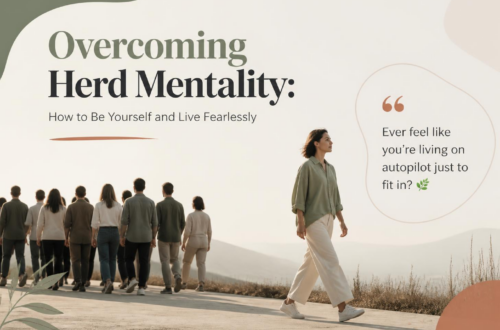
7. You’re Living on Autopilot
Days blend into weeks.
Weeks become months.
You struggle to remember when you last felt fully present.
Meals are eaten without tasting them.
Conversations happen while your mind is somewhere else.
Life becomes something you’re managing instead of experiencing.
8. You Struggle to Ask for Help
People living in survival mode often believe they have to carry everything alone.
You tell yourself:
“Others have bigger problems.”
“I’ll manage.”
“I don’t want to burden anyone.”
Over time, self-reliance becomes emotional isolation.
Strength isn’t about carrying everything alone. Sometimes strength is allowing others to carry a little of your weight.
9. Your Body Feels Constantly Tense
Survival mode doesn’t only affect the mind.
It often appears in the body through:
- Tight shoulders
- Jaw clenching
- Frequent headaches
- Poor sleep
- Digestive discomfort
- Constant fatigue
- Shallow breathing
Your body is speaking the language your emotions haven’t yet expressed.
10. You Can’t Remember the Last Time You Felt Truly Peaceful
Perhaps the clearest sign is this simple question:
When was the last time you felt completely at ease?
Not entertained.
Not distracted.
Not simply exhausted enough to stop thinking.
But genuinely peaceful.
If the answer takes a long time to find, your nervous system may have been living in survival mode for far longer than you realized.
Finding Your Way Back
The good news is that survival mode is not your identity.
It is a protective response.
And what was learned can also be gently unlearned.
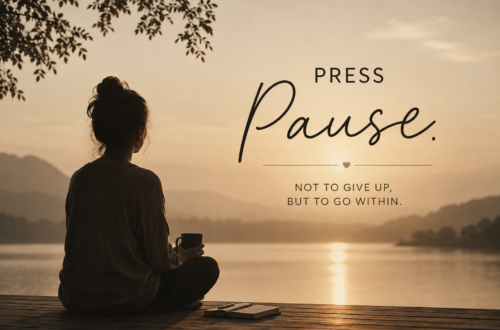
Recovery doesn’t happen through dramatic life changes. It begins with small, compassionate moments that remind your nervous system that it is safe.
Start by slowing your pace whenever possible.
Spend a few quiet minutes each day without reaching for your phone.
Take slow, intentional breaths.
Step outside and notice the sky.
Reconnect with hobbies that once brought you joy—not to become productive, but simply to feel alive again.
Most importantly, speak to yourself with kindness. You survived because your mind and body were trying to protect you. There is no shame in that.
Healing isn’t about becoming the person you were before life became difficult.
It is about becoming someone who no longer has to live every day as if danger is waiting around the corner.
Final Reflection
Perhaps survival mode isn’t always loud.
Sometimes it wears the face of responsibility.
Sometimes it hides behind achievement.
Sometimes it looks like being the dependable one who never asks for help.
But life is meant to be more than enduring.
You deserve moments where your shoulders soften, your breath deepens, and your heart remembers what it feels like to simply exist—not in fear, not in urgency, but in quiet presence.
Because surviving may have carried you this far.
Living is what carries you home.
Suggested Read:
- How to Practice Mindfulness Without Meditation: 12 Simple Ways to Be Present Every Day
- 24 Tiny Habits for a Calmer, Happier Life
- Stop Asking What the World Needs: Ask What Makes You Come Alive Instead
Self Reflections