In the chaos of modern city life, mastering mindful habits for sustainable weight loss is far more powerful than chasing the latest high-stress fitness fad.
The diet industry loves to sell the idea that weight loss requires a complete lifestyle overhaul—counting every calorie, cutting out entire food groups, or waking up at 5:00 AM for grueling workouts. But for busy urban professionals, these extreme routines rarely last. They crash against the reality of late-night work calls, business lunches, and daily stress.
Sustainable weight management isn’t about restriction; it’s about regulation. By shifting how you interact with your food and your environment, you can create a natural caloric deficit without the mental fatigue of dieting.
Here are four practical, research-backed mindful habits for sustainable weight loss designed specifically for the pace of urban life.
1. The “First Three Bites” Rule
In a fast-paced environment, we often eat for efficiency rather than enjoyment, practically inhaling meals while checking emails or catching up on the news. This disconnected eating bypasses our body’s natural satiety signals.
- The Habit: For the first three bites of any meal or snack, put down your utensils, close your laptop, and turn off your phone. Focus entirely on the texture, temperature, and flavor of the food.
- Why it works: The phenomenon of sensory-specific satiety means that the pleasure we get from food naturally declines with each bite. By paying intense attention to the first three bites, you maximize the psychological satisfaction of the meal. This simple pause recalibrates your pace, helping you recognize when you are actually full later in the meal, rather than eating just because food is on the plate.
2. Eliminate “Secondary Eating”
Urban life is filled with multitasking, which often leads to accidental calorie consumption. Think of the handful of almonds while standing at the kitchen counter, the office snacks grabbed during a stressful afternoon, or the popcorn eaten automatically in front of the TV.
- The Habit: Establish a personal rule: Eating is a primary activity. If you are going to eat, sit down at a table, put the food on a plate or in a bowl, and make eating the only thing you are doing. If you want to watch TV or work, finish eating first.
- Why it works: Studies on distracted eating show that when our brain is focused elsewhere, it fails to properly register the calories we consume, leading to overeating both in the moment and later in the day. Making eating a solo activity eliminates mindless grazing and automatically cuts out hundreds of unrecorded daily calories.
3. The 10-Minute Decompression Buffer
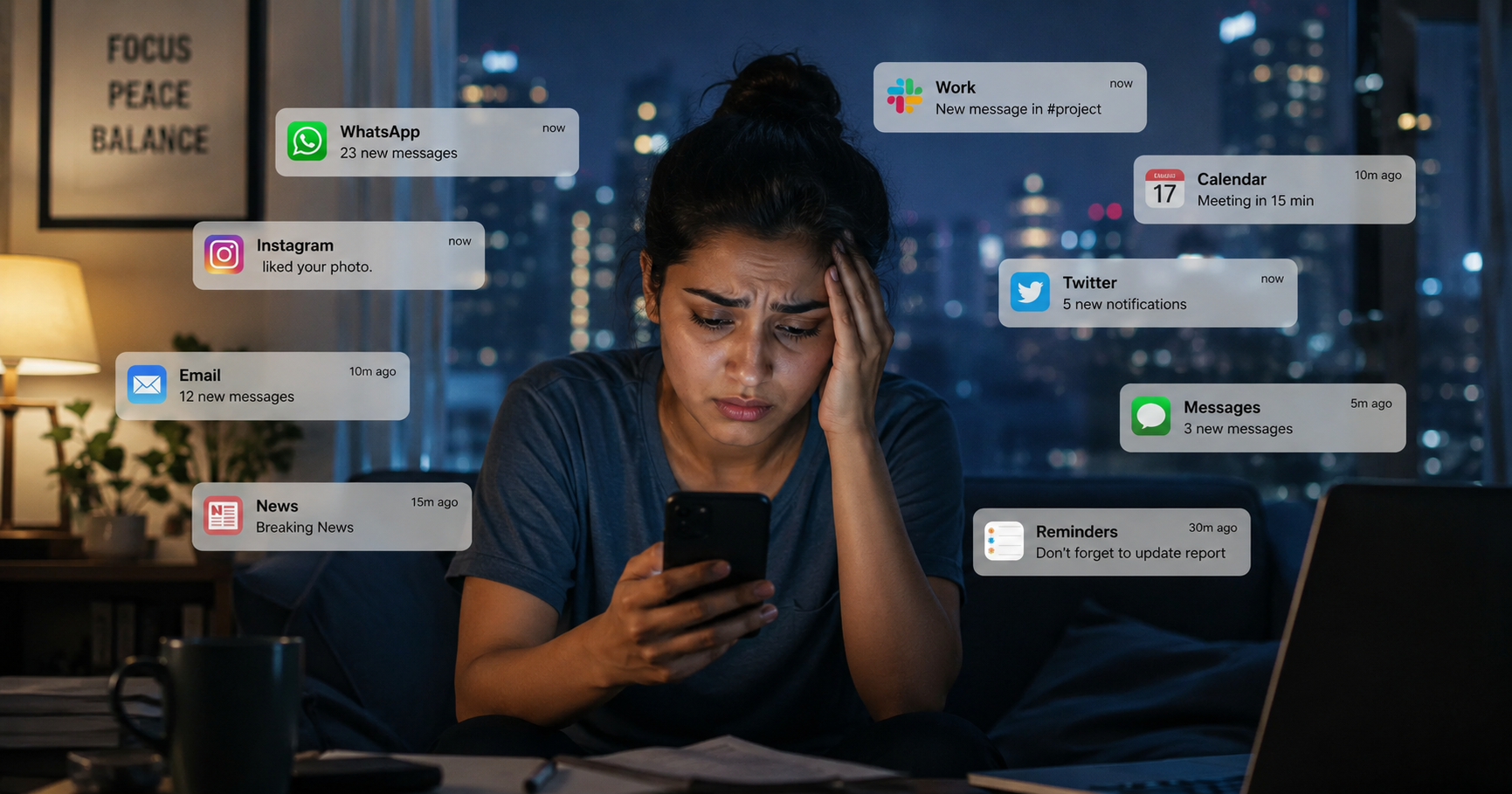
A massive driver of weight gain in high-stress urban environments is emotional or cortisol-driven eating. We use food as a transition mechanism—a way to “switch off” from a stressful workday before moving into our personal evening routine.
- The Habit: Create a rigid 10-minute buffer zone between finishing your workday and having your evening meal. Use this time for a brief mindfulness practice that signals safety to your nervous system: five minutes of deep box breathing, a quick stretch, or writing down three things you are letting go of from the workday.
- Why it works: Chronic stress elevates cortisol, a hormone that increases cravings for high-density, sugary foods and encourages central fat storage. A intentional buffer zone down-regulates your nervous system, moving you from “fight or flight” into “rest and digest.” This prevents you from using dinner as a coping mechanism for the day’s stress.
4. Curate Your Visual Food Environment
We like to think we eat based on hunger, but we actually eat based on proximity and visibility. In urban apartments and offices, convenience often dictates our choices.
- The Habit: Apply the concept of “choice architecture” to your living and working spaces. Keep countertops and desks entirely clear of food, except for a bowl of fresh fruit or water. If you keep snacks in the house, place them in opaque containers on the highest or lowest shelves of your pantry—completely out of your direct line of sight.
- Why it works: Visual triggers trigger dopamine spikes that create artificial hunger. By adding just a small amount of friction—making food invisible and requiring a physical effort to reach it—you interrupt the automatic cue-habit loop. You give your conscious mind a moment to ask: “Am I actually hungry, or did I just see something tasty?”
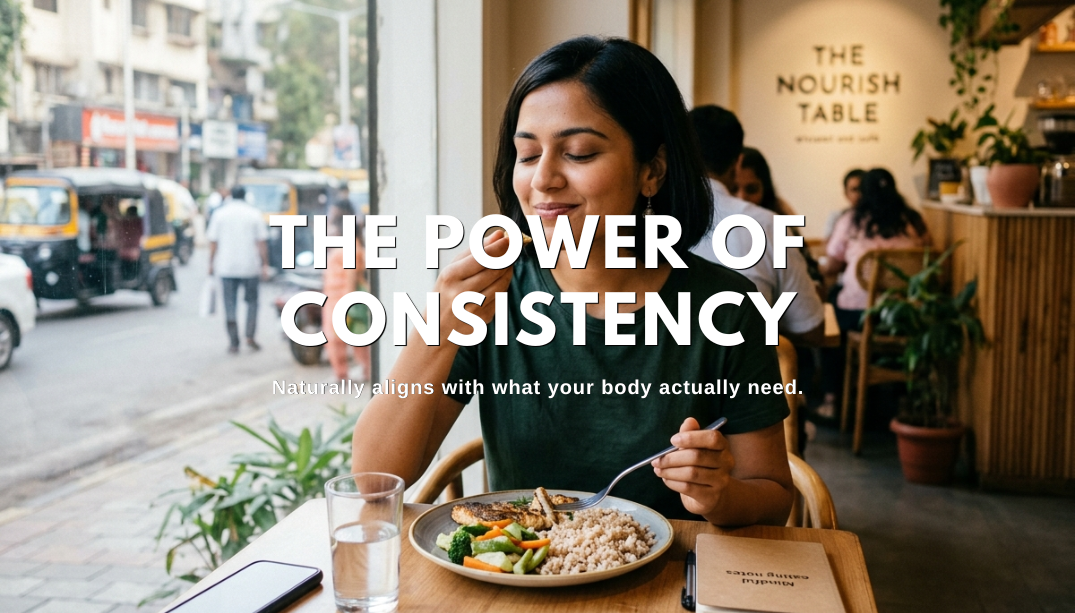
The Power of Consistency Small, mindful adjustments don’t require willpower; they build awareness. When you change your relationship with how you eat, what you eat naturally aligns with what your body actually needs. Pick just one of these habits to practice this week, anchor it into your current daily routine, and let consistency do the heavy lifting.
Related