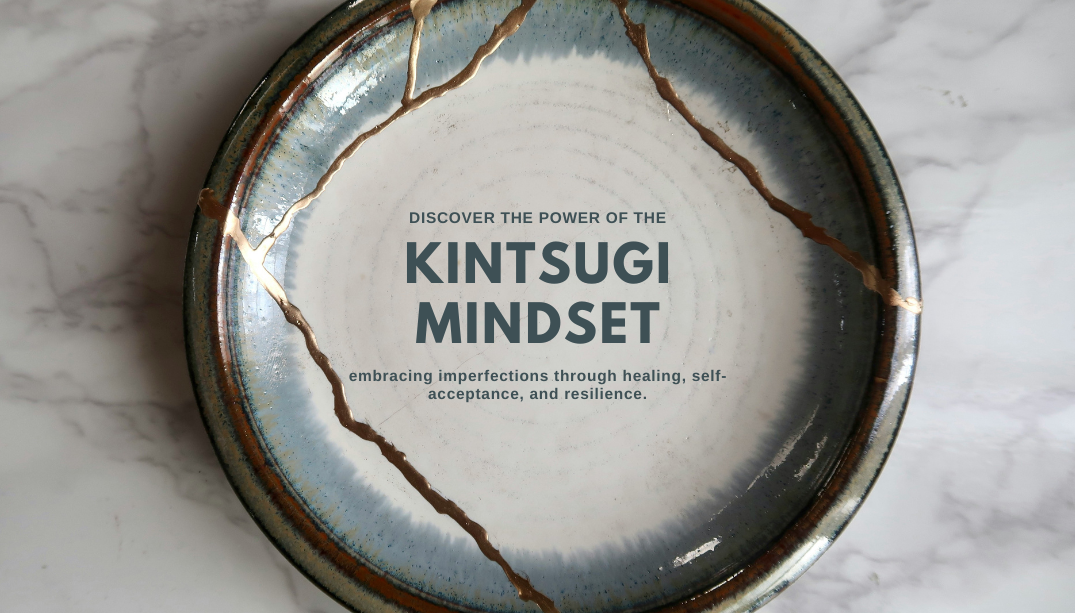
In a world obsessed with perfection, flawless appearances, and curated lives, the ancient Japanese philosophy of Kintsugi offers a radically healing perspective. Kintsugi, which means “golden repair,” is the art of mending broken pottery with gold lacquer instead of hiding the cracks. Rather than seeing damage as something shameful, Kintsugi transforms brokenness into beauty.
The Kintsugi mindset is more than an art form—it is a powerful philosophy for emotional healing, self-acceptance, and personal growth. It teaches us that our scars, failures, heartbreaks, and struggles are not signs of weakness. They are proof that we survived, healed, and evolved.
If you’ve ever felt broken by life, the Kintsugi mindset can help you embrace imperfections and honor your healing journey with compassion and grace.
What Is the Kintsugi Mindset?
The Kintsugi mindset is rooted in the belief that imperfections are valuable. Instead of trying to erase pain or pretend nothing happened, this philosophy encourages us to acknowledge our wounds and integrate them into our identity with pride.
Life inevitably leaves cracks in all of us. Relationships end. Dreams fail. People disappoint us. We lose parts of ourselves while trying to survive difficult seasons. Society often pressures us to “move on quickly” or appear strong at all times. But true healing does not come from hiding damage—it comes from honoring it.
Kintsugi reminds us that healing is not about returning to who we once were. It is about becoming someone wiser, softer, and stronger because of what we endured.
Why Perfectionism Is Emotionally Exhausting
Modern culture glorifies perfection. Social media filters, unrealistic beauty standards, hustle culture, and constant comparison make people feel like they must always perform at their best. This creates anxiety, self-doubt, and emotional burnout.
Perfectionism convinces us that mistakes make us unworthy. It teaches people to fear vulnerability and hide emotional pain. But the truth is, no human life is seamless. Everyone carries invisible cracks.
The Kintsugi mindset challenges perfectionism by shifting the narrative:
- Your imperfections do not reduce your worth.
- Your healing does not have to look perfect.
- Your scars are not failures.
- Your story matters because of what you survived.
When we stop fighting our imperfections, we create space for authentic self-love.
Honoring Your Healing Journey
Healing is deeply personal. It is not linear, aesthetic, or predictable. Some days you feel empowered; other days you feel fragile again. The Kintsugi mindset teaches us to respect every stage of the process.
Honoring your healing means allowing yourself to:
- Rest without guilt
- Feel emotions fully
- Set boundaries
- Outgrow unhealthy environments
- Forgive yourself for survival responses
- Celebrate small emotional victories
Often, people invalidate their own healing because they think others have suffered more. But pain is not a competition. Your emotional wounds deserve care regardless of how visible they are.
Just like broken pottery repaired with gold becomes unique and valuable, your healing journey shapes your depth, empathy, and resilience.
The Beauty of Emotional Scars
Emotional scars often carry wisdom. The heartbreak that taught you self-respect. The failure that redirected your purpose. The loneliness that strengthened your relationship with yourself.
While painful experiences can leave lasting marks, they also reveal human strength. The Kintsugi mindset encourages us to stop asking, “Why am I broken?” and start asking, “What has this experience taught me?”
Scars tell stories of endurance.
People who have healed through pain often become more compassionate, emotionally intelligent, and grounded. They learn to value authenticity over appearance. Instead of striving to appear flawless, they focus on becoming whole.
There is something deeply freeing about accepting yourself as a work in progress.
Confronting Discomfort: Dark Life Lessons that Foster True Resilience
How to Practice the Kintsugi Mindset in Daily Life
Adopting the Kintsugi mindset does not mean romanticizing pain. It means learning to respond to life’s challenges with gentleness and self-awareness.
Here are practical ways to embrace this philosophy:
1. Stop Hiding Your Struggles
You do not have to pretend everything is fine all the time. Vulnerability creates genuine human connection. Sharing your truth can be incredibly healing.
2. Redefine Strength
Strength is not emotional suppression. Real strength is allowing yourself to feel, heal, and ask for support when needed.
3. Practice Self-Compassion
Speak to yourself kindly during difficult moments. Replace harsh self-criticism with understanding. Healing grows in safe inner environments.
4. Celebrate Growth, Not Perfection
Notice how far you’ve come instead of obsessing over what is still incomplete. Progress deserves recognition.
5. Create Meaning From Pain
Many people discover purpose through adversity. Journaling, therapy, art, mindfulness, or spiritual practices can help transform pain into wisdom.
Why the Kintsugi Philosophy Resonates Today
The rise of burnout, anxiety, loneliness, and emotional exhaustion has made people crave authenticity more than perfection. Many are realizing that constantly performing happiness is unsustainable.
The Kintsugi mindset resonates because it gives people permission to be human.
It reminds us that healing is sacred. That softness is strength. That imperfections are not flaws to erase but experiences that shape us.
In relationships, careers, mental health journeys, and personal identity, embracing imperfection leads to deeper self-acceptance and emotional freedom.
Final Thoughts: You Are Still Whole
The Kintsugi mindset teaches one profound truth: brokenness does not make you less valuable.
Every difficult chapter you survived has added texture to your story. Every emotional scar reflects resilience. Every healed wound carries wisdom.
You do not need to erase your past to deserve love, peace, or happiness.
Honor your healing. Honor the version of you that kept going despite the pain. Like Kintsugi pottery repaired with gold, your cracks can become the most beautiful part of your story.
Because healing is not about becoming flawless.
It is about becoming whole again—beautifully, honestly, and imperfectly.