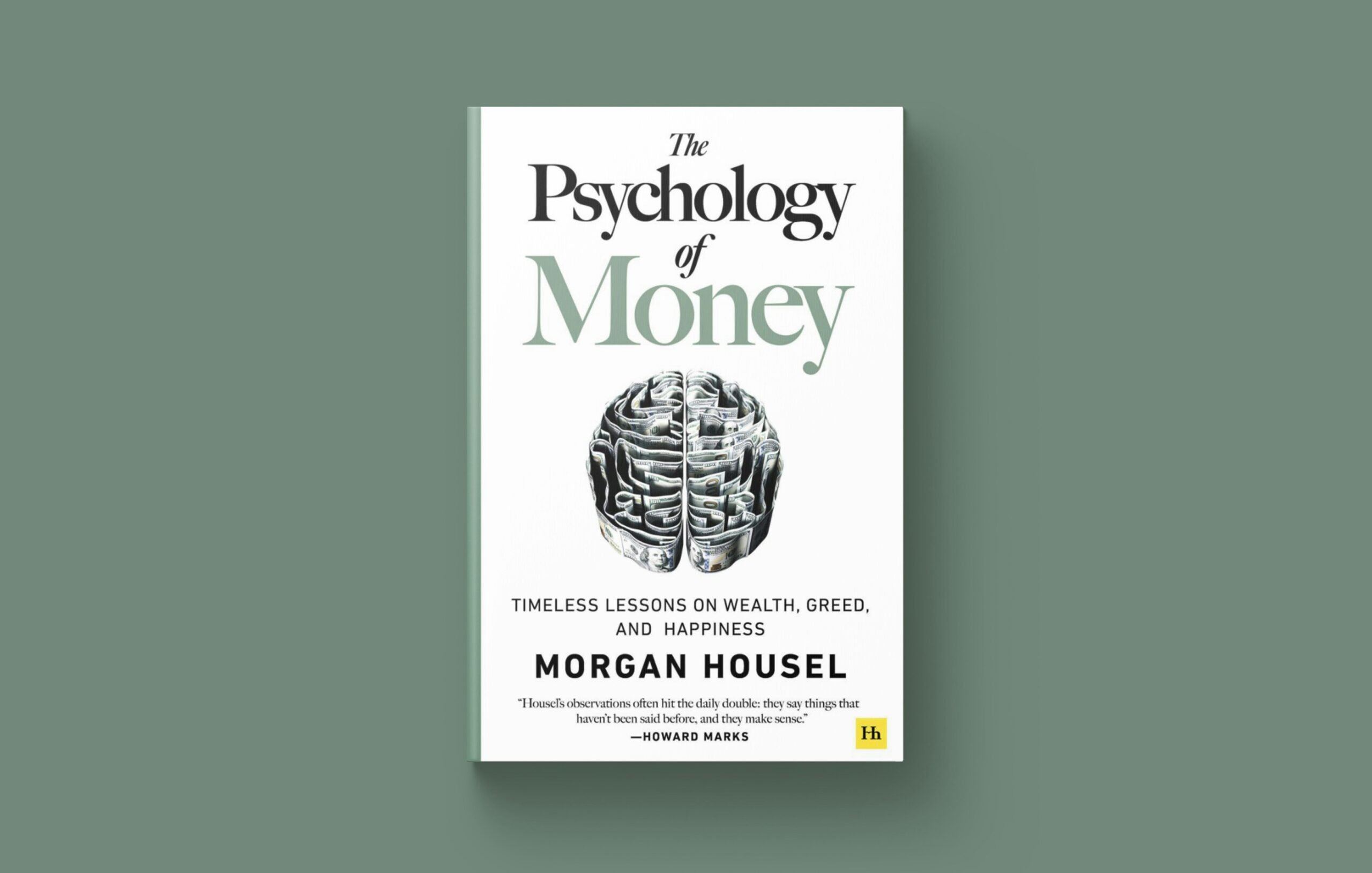
Money is more than numbers, spreadsheets, and investment charts. In The Psychology of Money, Morgan Housel explains that financial success is deeply connected to human behavior, emotions, and decision-making. The book has become one of the most talked-about personal finance books because it focuses on timeless lessons instead of complicated investment strategies.
Rather than teaching readers how to get rich quickly, the book highlights how patience, discipline, and mindset shape financial outcomes. Whether you are a student, entrepreneur, investor, or working professional, these lessons can help you make smarter money decisions.
In this article, we’ll explore the best takeaways from The Psychology of Money and why these lessons matter in everyday life.
Why The Psychology of Money Became So Popular
One reason the book stands out is its simplicity. Morgan Housel avoids technical jargon and explains money concepts through real-life stories. He argues that doing well with money has less to do with intelligence and more to do with behavior.
The book teaches readers that:
- Wealth is often invisible.
- Emotions influence financial decisions.
- Long-term thinking beats short-term excitement.
- Financial freedom matters more than showing off wealth.
These ideas make the book relatable to readers from all walks of life.
1. Financial Success Is More About Behavior Than Knowledge
One of the biggest lessons in The Psychology of Money is that financial success depends more on behavior than technical skill. Many intelligent people still struggle financially because they make emotional decisions.
For example:
- Panic selling during market crashes
- Overspending to impress others
- Taking unnecessary risks for quick profits
Housel explains that controlling emotions is one of the most valuable financial skills. Patience, consistency, and discipline often outperform complex investment strategies.
This takeaway reminds readers that managing money is not just about math—it’s about mindset.
2. Compounding Works Best with Time
Morgan Housel strongly emphasizes the power of compounding. Small investments and smart financial habits can grow tremendously over time.
He shares how legendary investor Warren Buffett built most of his wealth not only through good investing but through decades of consistent investing.
The key lesson is simple:
- Start early
- Stay consistent
- Be patient
Even modest savings can become substantial if given enough time to grow. Compounding rewards patience more than brilliance.
3. Wealth Is What You Don’t See
Many people confuse wealth with luxury. Expensive cars, designer clothes, and large homes may look impressive, but they do not always represent real financial security.
According to Housel, true wealth is the money you save and invest—not the money you spend.
A person driving an old car but owning investments and savings may actually be wealthier than someone living extravagantly with debt.
This takeaway encourages readers to:
- Spend less than they earn
- Avoid lifestyle inflation
- Focus on long-term security
Real wealth often stays hidden.
4. Saving Money Creates Freedom
One of the most practical lessons from The Psychology of Money is that saving gives you control over your life.
Savings provide:
- Emergency protection
- Career flexibility
- Reduced stress
- Greater independence
Housel explains that money’s greatest value is the ability to choose how you spend your time. Financial freedom allows people to make decisions based on happiness and purpose rather than survival.
This perspective changes the way many people think about money. Instead of seeing savings as sacrifice, readers begin seeing it as freedom.
5. Luck and Risk Play Bigger Roles Than We Think
Another eye-opening takeaway is that luck and risk influence financial outcomes more than most people realize.
Successful people often credit hard work, while failures may blame poor choices. However, Housel argues that external circumstances also matter.
For example:
- Economic timing
- Market conditions
- Opportunities
- Unexpected crises
Recognizing the role of luck helps people stay humble during success and compassionate during failure.
This lesson also reminds readers not to compare their financial journey with others because everyone faces different circumstances.
6. Long-Term Thinking Beats Short-Term Excitement
Modern society often celebrates quick success, but The Psychology of Money teaches the opposite. Sustainable wealth usually comes from long-term thinking.
Housel advises readers to:
- Ignore short-term market noise
- Stay invested during uncertainty
- Focus on steady progress
Emotional reactions to daily news can hurt financial growth. Investors who remain calm and patient often perform better over time.
This takeaway is especially valuable in today’s fast-moving digital world, where social media constantly promotes instant success stories.
7. Enough Is a Powerful Word
One of the most meaningful lessons in the book is understanding the idea of “enough.”
Many people continue chasing more money, more possessions, and more status without ever feeling satisfied. This endless pursuit can lead to risky decisions and unhappiness.
Housel explains that knowing when you have enough helps protect:
- Your happiness
- Your relationships
- Your peace of mind
Contentment is an underrated financial skill. Sometimes avoiding greed is more important than maximizing returns.
Key Lessons Readers Can Apply Immediately
Here are some simple ways to apply the book’s lessons in daily life:
| Lesson | Action Step |
|---|---|
| Control emotions | Avoid impulsive financial decisions |
| Start compounding early | Begin investing consistently |
| Build hidden wealth | Save more than you spend |
| Seek financial freedom | Maintain an emergency fund |
| Think long-term | Stay patient with investments |
| Avoid comparison | Focus on your own goals |
| Understand “enough” | Define personal financial success |
FAQs About the Psychology of Money
Who wrote The Psychology of Money?
The book was written by Morgan Housel, a well-known financial writer and investor.
What is the main message of the book?
The book teaches that financial success depends more on behavior and mindset than technical knowledge.
Is The Psychology of Money good for beginners?
Yes, the book is beginner-friendly and uses simple language with relatable stories.
What makes the book different from other finance books?
It focuses on psychology, habits, and emotional behavior instead of complicated investing techniques.
Can the lessons apply to non-investors?
Absolutely. The lessons about saving, patience, and decision-making are useful for everyone.
Why is patience important in money management?
Patience allows investments and savings to grow over time through compounding.
Conclusion
The Psychology of Money offers timeless lessons about wealth, behavior, and happiness. Instead of teaching readers how to get rich quickly, the book explains how smart habits and emotional discipline lead to long-term financial success.
The best takeaways from The Psychology of Money include understanding the power of compounding, valuing patience, avoiding unnecessary risks, and recognizing that true wealth is often invisible.
Most importantly, the book reminds us that money is not just about numbers—it’s about living a meaningful and secure life.
For more information about the book, visit Morgan Housel’s official website
> Checkout Money-Saving Tips for Stay-at-Home Moms