“Ikigai teaches us that purpose is not always found in big achievements — sometimes it quietly lives in slow mornings, meaningful work, kind hearts, and the small joys that make life feel worth living.” 🌿

Ikigai- The Japanese Way to Finding Your Purpose Without Burnout
In a world obsessed with hustle culture, career milestones, and “big life goals,” many people quietly feel disconnected from themselves. We chase success but still feel empty. We achieve things yet wonder why happiness feels temporary.
The Japanese philosophy of Ikigai offers a softer, wiser answer.
Instead of asking, “What should I achieve?” Ikigai asks:
“What makes life feel worth living?”
And sometimes, the answer is beautifully simple.
A slow morning with tea.
Helping someone.
Writing. Gardening. Cooking.
Creating art nobody sees.
Walking under golden sunlight.
Feeling useful. Feeling present.
Ikigai is not necessarily one grand purpose waiting to be discovered. It is often a collection of meaningful moments woven gently into everyday life.
What Does Ikigai Mean?
The word “Ikigai” comes from Japan:
- Iki = life
- Gai = value or worth
Together, Ikigai translates to:
“A reason for being.”
It is the quiet force that makes you want to wake up in the morning.
Unlike modern ideas of purpose that focus heavily on career success or productivity, Ikigai is deeply connected to joy, balance, contribution, and inner fulfillment.
For some people, Ikigai is their profession.
For others, it may be raising children, growing plants, teaching, painting, or simply creating peaceful moments for others.
The beauty of Ikigai is that it does not demand perfection.
It asks for presence.
Why Ikigai Feels So Relevant Today
Modern life often pushes us into constant comparison.
Social media shows curated success stories. Productivity culture tells us we should always be improving. We begin to believe that purpose must look extraordinary.
But Ikigai reminds us that meaning is often found in ordinary life.
This philosophy is becoming increasingly popular because people are emotionally exhausted from chasing endless achievement.
Today, many are shifting from:
- speed → slowness
- pressure → presence
- ambition → alignment
- perfection → fulfillment
People no longer want only success.
They want peace too.
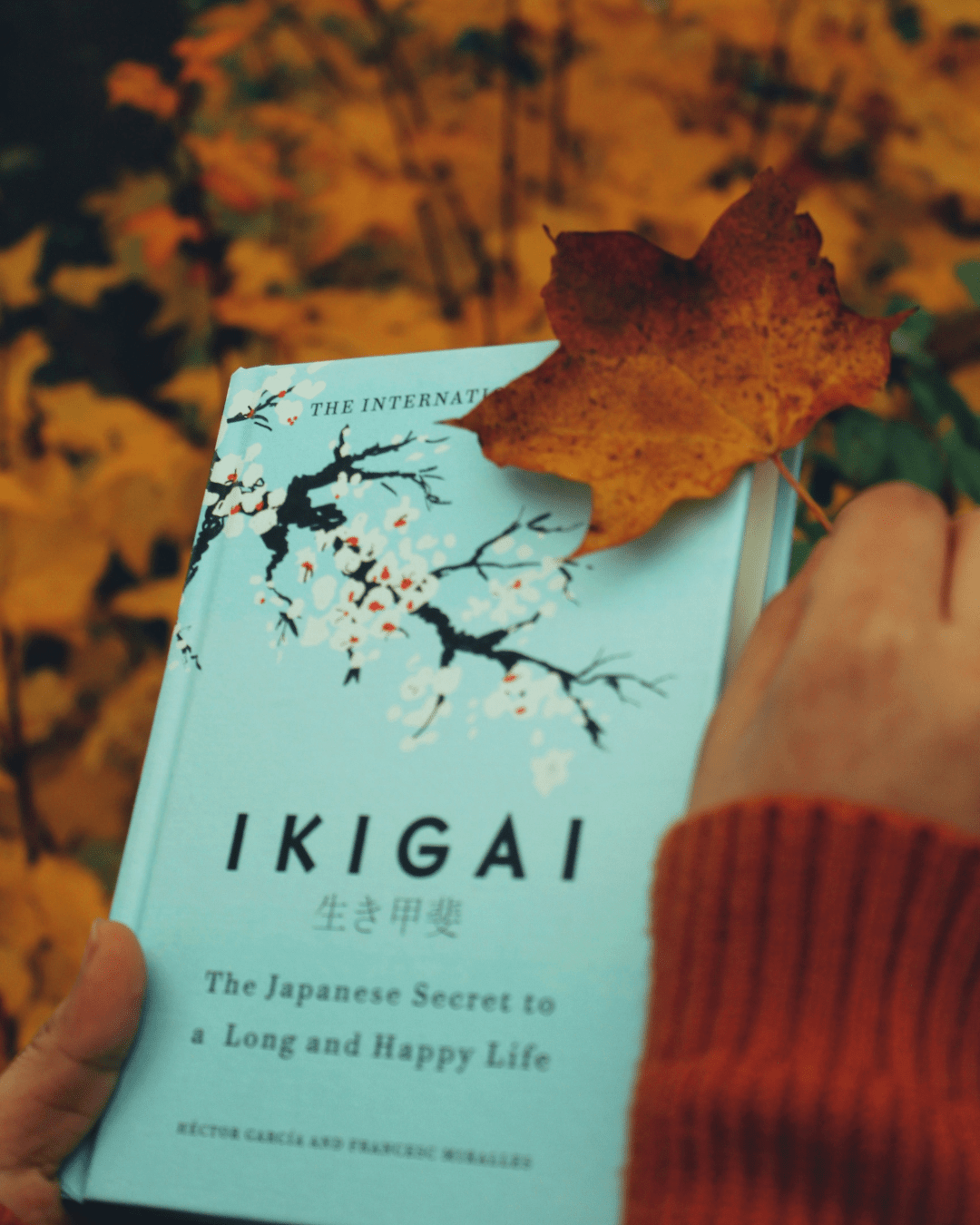
> Ikigai is a beautiful book on purpose, slow living, joy & meaningful routines 🌿You must grab it here!
The Four Elements of Ikigai
Ikigai is often explained through four overlapping areas:
1. What You Love
These are the things that naturally light you up.
What activities make you lose track of time?
What feels nourishing rather than draining?
It could be:
- storytelling
- cooking
- designing
- music
- nature walks
- helping people
- organizing spaces
- creating content
Joy matters more than performance here.
2. What You’re Good At
Sometimes purpose hides inside your natural strengths.
You may not even notice them because they feel effortless to you.
Perhaps you:
- make people feel calm
- explain things clearly
- create beauty
- listen deeply
- solve problems creatively
Ikigai often lives where ease and passion meet.
3. What the World Needs
Purpose expands when it connects to contribution.
This does not mean changing the entire world. Even small acts matter.
A comforting conversation.
A helpful blog post.
A meal cooked with love.
A peaceful home environment.
Meaning grows when your existence positively touches others.
4. What You Can Sustain
Ikigai also includes practicality.
Purpose should support your life rather than completely exhaust you.
Many people romanticize passion while ignoring sustainability. But true fulfillment often comes from creating a life that feels emotionally and financially balanced.
Purpose is not meant to burn you out.
The Hidden Secret of Ikigai: Small Joys Matter
One of the most beautiful parts of Japanese culture is its appreciation for small daily pleasures.
In many Western cultures, happiness is treated like a destination:
- “I’ll be happy when…”
- “Once I achieve this…”
- “After success comes peace.”
Ikigai reverses this thinking.
It teaches that happiness can exist now:
- in the smell of rain
- in fresh sheets
- in tending plants
- in quiet mornings
- in handwritten notes
- in warm tea after a tiring day
Purpose is not always dramatic.
Sometimes it is deeply gentle.
How to Discover Your Own Ikigai
Start Paying Attention to Energy
Notice what gives you energy instead of only focusing on productivity.
Ask yourself:
- What activities make me feel alive?
- When do I feel most like myself?
- What kind of moments feel emotionally nourishing?
Your body often recognizes purpose before your mind does.
Create Space for Silence
Purpose becomes difficult to hear in constant noise.
Many people are overstimulated all day:
- endless scrolling
- notifications
- rushing
- multitasking
Silence helps clarity return.
Even 10 minutes of:
- journaling
- walking without music
- mindful tea rituals
- sitting quietly at sunrise
can reconnect you with yourself.
Stop Forcing a “Big Calling”
One of the biggest misconceptions is that everyone has one massive life purpose.
Not true.
Your Ikigai can evolve through different seasons of life.
At one point, your purpose may be:
- healing
- learning
- creating
- resting
- nurturing relationships
- building something meaningful
Purpose is allowed to change.
Romanticize Everyday Life
Ikigai thrives when you become emotionally available for ordinary moments.
Cook slowly.
Light a candle while cleaning.
Enjoy your morning chai without scrolling.
Notice sunlight entering your room.
The Japanese philosophy of mindful appreciation transforms routine into ritual.
And suddenly, life feels less rushed.
The Connection Between Ikigai and Longevity
Japan is often associated with longevity and healthier aging lifestyles.
Researchers studying communities known for long life have observed certain patterns:
- strong social connection
- daily movement
- meaningful routines
- mindful eating
- emotional purpose
Having a sense of meaning has been linked to lower stress and better mental well-being.
People flourish when life feels emotionally meaningful — not just productive.
Maybe Purpose Isn’t Missing — Maybe It’s Quiet
Many people think they are “lost” because they have not found one extraordinary mission.
But perhaps purpose was never supposed to scream.
Maybe it whispers.
Through:
- what repeatedly brings you peace
- what you naturally return to
- what makes time slow down
- what softens your nervous system
- what feels quietly meaningful
Ikigai teaches us that fulfillment is not built in one dramatic moment.
It is built gently, daily, through presence.
Final Thoughts
The Japanese way of finding your purpose is not about becoming someone else.
It is about returning to yourself.
Your Ikigai may not look impressive online.
It may not go viral.
It may not even make complete sense to others.
But if it makes your life feel meaningful, calm, connected, and alive — that is enough.
Perhaps purpose is not something you chase.
Perhaps it is something you notice.
You may like to read: The Art of Wabi-Sabi: Finding Beauty in the Impermanent and Incomplete