
Master Modern Dinacharya with this practical guide to integrating ancient Ayurvedic daily rituals into a busy, contemporary working schedule.
The Ultimate Guide to Modern Dinacharya
In our hyper-connected, always-on world, burnout has practically become a status symbol. We wake up to a barrage of slack notifications, fuel our mornings with back-to-back cups of coffee, and fall into bed with minds still racing from the day’s demands.
If you are feeling chronically exhausted, unfocused, or physically sluggish, the antidote isn’t a complex 12-step wellness trend or a handful of expensive supplements. It is time. Specifically, it is how you structure your time.
In Ayurveda—the ancient Indian system of medicine—the foundational pillar of vibrant health is Dinacharya (pronounced dina-charyaa), which literally translates to “daily routine.” Traditional Ayurveda teaches that aligning our daily habits with the natural rhythms of the earth is the fastest way to achieve hormonal balance, sharp mental clarity, and sustained physical energy.
But let’s be honest: standard Ayurvedic texts were written thousands of years ago for a completely different era. If a wellness guide tells you that you need to spend three hours every morning meditating, preparing fresh herbal decoctions, and performing full-body oil massages before a 9:00 AM boardroom meeting, you are probably going to abandon it before you even start.
This guide bridges that gap. We have stripped away the overwhelm and translated the core, high-impact pillars of traditional Dinacharya into a practical, realistic, and highly effective modern routine engineered specifically for a contemporary schedule.
What is Dinacharya? (And Why Your Circadian Rhythm Cares)
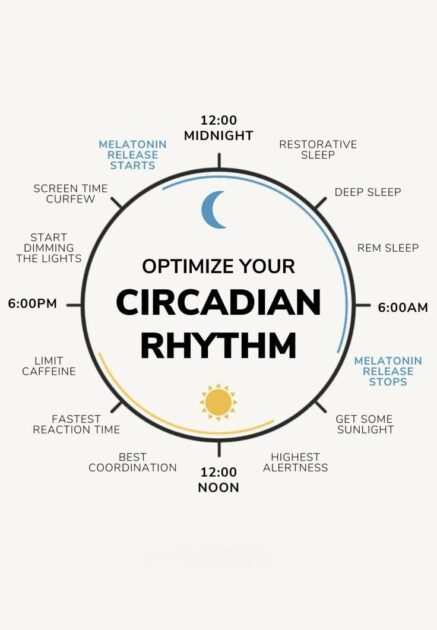
At its core, Dinacharya is the original science of biohacking. Long before modern science discovered the circadian rhythm—the internal 24-hour clock that regulates sleep, metabolism, and hormone production—Ayurvedic physicians recognized that our bodies are deeply influenced by nature’s cycles.
Ayurveda views the day through the lens of three distinct biological energies, known as Doshas: Vata (air/ether), Pitta (fire/water), and Kapha (earth/water). Every 24-hour cycle is broken down into six four-hour blocks, where a specific Dosha dominates the environment and your physiology:
- 6:00 AM – 10:00 AM (Kapha Time): Heavy, slow, and stable. Great for movement, but waking up late during this window can leave you feeling foggy and lethargic all day.
- 10:00 AM – 2:00 PM (Pitta Time): Fiery, sharp, and transformative. This is when your digestive fire (Agni) and analytical mind are at their absolute peak.
- 2:00 PM – 6:00 PM (Vata Time): Light, creative, and mobile. Ideal for brainstorming, communication, and creative tasks.
- 6:00 PM – 10:00 PM (Kapha Time): Grounding and cooling. The body naturally wants to wind down and prepare for deep rest.
- 10:00 PM – 2:00 AM (Pitta Time): Internal processing and cellular detoxification. If you stay awake past 10:00 PM, you hit a “second wind,” which disrupts liver cleansing and cellular repair.
- 2:00 AM – 6:00 AM (Vata Time): Subtle, clear, and peaceful. The ideal window for waking up, as the mind is naturally receptive and quiet.
By understanding these natural shifts, we can organize our mornings, meals, and work tasks to swim with the current of our biochemistry rather than against it.
The Modern Dinacharya Blueprint: A Step-by-Step Daily Schedule
You don’t need to change your entire life overnight to reap the benefits of an Ayurvedic lifestyle. Instead, focus on these high-yield, bite-sized rituals that easily slot into a standard working day.

Phase 1: The Modern Morning Ritual (Time Investment: 15 Minutes)
Your morning sets the energetic tone for the next 16 hours. Instead of reaching for your phone the second your eyes open, practice these four quick, detoxifying habits to clear out accumulated metabolic waste (Ama).
1. Wake with the Subtle Energy (Before 6:00 AM)
Try to wake up just before or right at 6:00 AM. Waking during the tail end of Vata time infuses your mind with lightness and clarity. If you sleep past 6:00 AM into Kapha time, the heavy earth energy takes over, making it much harder to shake off morning grogginess.
2. Tongue Scraping (Jihwa Prakshalana)
Before you drink water or brush your teeth, look at your tongue in the mirror. See that white coating? That is Ama—metabolic toxins excreted by your digestive tract overnight. Using a stainless steel or copper tongue scraper, gently scrape from the back of your tongue forward 5 to 7 times. This prevents toxins from being re-ingested, stimulates your digestive organs, and instantly improves oral health.
3. Hydrate to Ignite (Ushapan)
Drink a large glass of warm or room-temperature water. Avoid ice water at all costs, as cold liquids extinguish your Agni (digestive fire). Warm water acts as a gentle flush for your kidneys and GI tract, naturally stimulating a morning bowel movement.
4. The 5-Minute Modern Abhyanga (Self-Massage)
Traditional Abhyanga involves a lengthy full-body warm oil massage. For a busy schedule, use the shower-hack version: Keep a bottle of organic sesame oil (for grounding) or coconut oil (for cooling) in your bathroom. Before stepping into the shower, spend exactly two minutes vigorously massaging the oil onto your neck, shoulders, hands, and feet. The warm water from the shower will help the oil penetrate deep into your tissues, lubricating your joints and calming your nervous system for the day ahead.
Phase 2: Mid-Day Maximization (Sustaining Focus & Fire)
How you manage your afternoon dictates whether you hit the dreaded 3:00 PM slump or coast through your workday with sustained focus.
1. Make Lunch Your Largest Meal (12:00 PM – 1:30 PM)
Because the sun is at its highest point during Pitta time (10:00 AM – 2:00 PM), your internal digestive fire is also burning at its fiercest. Eat your heaviest, most nutrient-dense meal of the day during this window. Your body possesses the maximum enzymatic capacity to break down and assimilate heavy proteins and complex carbohydrates right now.
The Golden Rule of Eating: Avoid eating at your desk while answering emails. Turn off your screen, look at your food, and chew thoroughly. When you eat in a stressed state, your sympathetic nervous system completely shuts down optimal digestion, leading to bloating and fatigue.

2. Sip Warm Spiced Water
Instead of iced drinks or a second cup of coffee at 3:00 PM, sip on warm water infused with cumin, coriander, and fennel seeds (CCF Tea). This classic Ayurvedic blend gently kindles digestion, clears bloating, and settles an anxious, overstimulated mind.

Tip: The Modern Shortcut: Don’t have time to source and blend raw cumin, coriander, and fennel seeds? Switch to a pre-blended powerhouse like Buddha Teas’ Organic Digestive Nirvana Blend. It’s a caffeine-free, clean-ingredient herbal tea packed with natural antioxidants and minerals designed to instantly soothe bloating. Keep a few tea bags in your office desk for a quick, high-intent gut reset during your afternoon Vata window.
Phase 3: The Evening Wind-Down (Releasing the Day)
To achieve deep, restorative sleep, you must give your nervous system a clear signal that the workday is officially over.
1. Eat a Light, Early Dinner (Before 7:00 PM)
As the day transitions back into Kapha time (6:00 PM), your digestive fire naturally slows down. Keep dinner light—think warm soups, cooked grains, or steamed vegetables. Eating a heavy meal late at night forces your body to expend energy on digestion when it should be focused on deep cellular repair, leading to restless sleep and a sluggish morning.
2. Digital Detox & Screen Savasana (By 9:00 PM)
The blue light from phones, tablets, and TVs mimics midday sunlight, tricking your brain into suppressing melatonin production. Turn off your work notifications and screens at least one hour before bed.
Deep Sleep Decompression: A 20-Minute Sleep Meditation The ultimate boundary between your workday and your dream state. Turn off the mental chatter, release the physical tension held in your jaw and shoulders, and transition seamlessly into deep, restorative sleep. No effort required—just hit play, lay back, and let your nervous system safely land.
3. Foot Massage (Padabhyanga)
If you struggle with racing thoughts at night, keep a jar of ghee or castor oil by your bedside. Spend one minute rubbing a small amount onto the soles of your feet before putting on a pair of old socks. The feet contain numerous vital energy centers (Marma points); massaging them draws excess heat and anxious Vata energy down away from your head, acting as a natural sedative for the mind.
The Cheat-Sheet: Traditional vs. Modern Dinacharya
To see how easy it is to fit these high-impact habits into a modern calendar, compare the traditional ideals with their streamlined, real-world counterparts:
| Traditional Ritual | The Modern Adaptation | Time Required | Primary Benefit |
| Wake at Brahma Muhurta (1.5 hours before sunrise) | Wake between 5:30 AM – 6:15 AM | 0 min | Capitalizes on natural morning alertness and mental clarity. |
| Full-Body Abhyanga (30-minute meditative oil massage) | The 2-Minute Shower Hack (Quick application before warm shower) | 2 min | Calms the nervous system and protects skin barrier. |
| Complex Herbal Decoctions | Warm water with lemon or CCF Tea in a thermos | 3 min | Ignites metabolic fire (Agni) and prevents bloating. |
| Midday Meditation & Yoga Asana | Desk Screen Savasana (5 minutes of conscious deep breathing) | 5 min | Resets the nervous system from fight-or-flight back to rest-and-digest. |
| Late Night Scriptural Study | Digital Detox (Reading a physical book or journaling under dim light) | 15 min | Boosts natural melatonin production for deep sleep. |
Overcoming the Common Roadblocks
When trying to implement an Ayurvedic routine while managing a busy career, a few common obstacles tend to pop up. Here is how to navigate them easily:
“I travel frequently for work. How do I maintain consistency?”
Pack a small “Dinacharya Travel Kit” containing a travel-sized tongue scraper, a 2-oz bottle of organic sesame oil, and a few bags of CCF tea. Even if your sleep schedule shifts across time zones, scraping your tongue and drinking warm water in your hotel room provides an immediate sense of grounding and predictability for your nervous system.
“My family eats dinner late. What should I do?”
If an early dinner isn’t socially or logistically possible, keep your portion small and focus on highly digestible options like soups or stews. Alternatively, try making lunch your primary, substantial meal during the workday, so that dinner serves purely as a light, supplemental evening bite.
“I am completely dependent on morning coffee. Do I have to quit?”
Ayurveda doesn’t demand perfection; it values self-awareness. If you love coffee, simply avoid drinking it first thing on an empty stomach, which spikes cortisol and irritates the stomach lining. Instead, practice your tongue scraping, drink your warm water, eat a small nourishing breakfast, and enjoy your coffee afterwards as a mindful ritual during the morning Pitta window.
Action Step: Start with the “Big Three” This Week
Do not try to implement this entire guide tomorrow morning. Radical lifestyle overhauls rarely stick. Instead, focus on building habit momentum by mastering the Big Three this week:
- Scrape your tongue every morning before brushing.
- Drink one glass of warm water right after scraping.
- Turn off all work screens by 9:30 PM.
Once these three simple rituals feel entirely effortless and automatic, layer in the next step. By subtly tuning your daily choices to match your body’s natural clock, you will quickly find that you don’t need more hours in the day—you just need to align with the rhythms you already have.
Related: The ‘Quiet Life’ Movement: Why People Are Choosing Peace Over Productivity