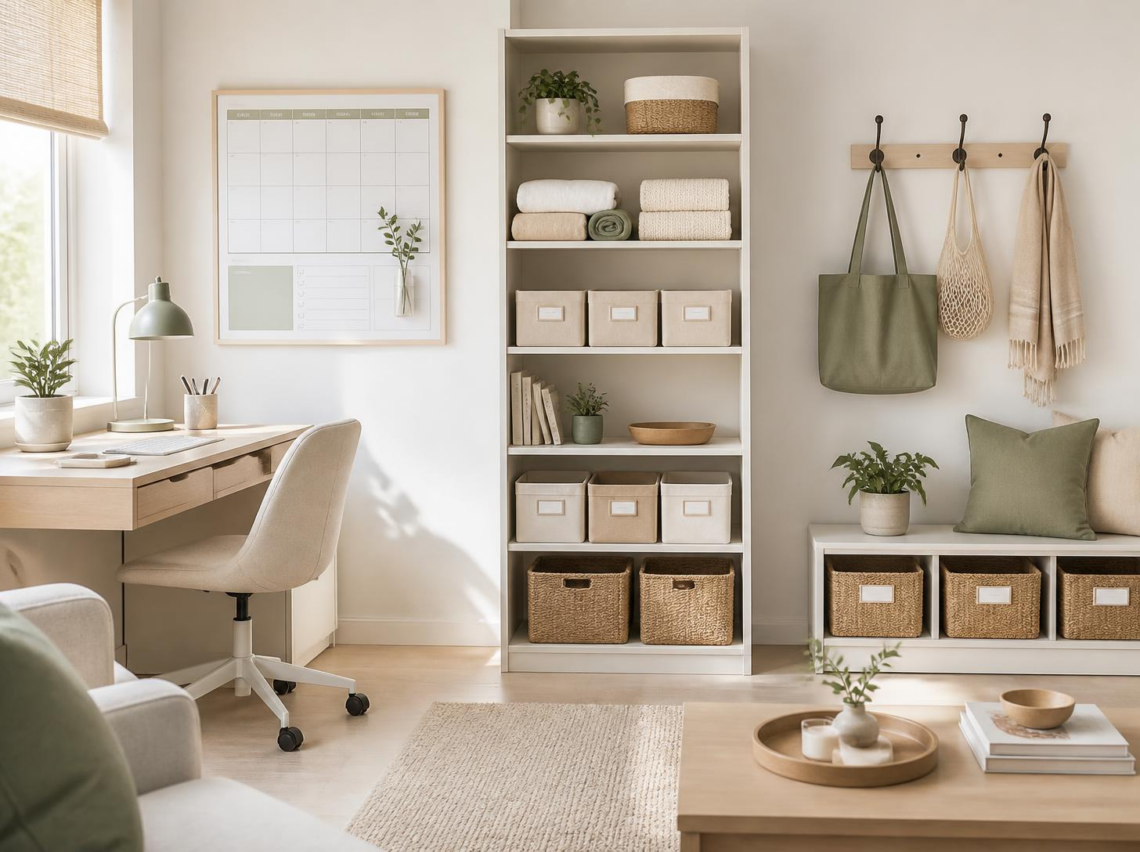
Keeping an organized home isn’t about working harder—it’s about building smarter systems! By bringing time-tested productivity hacks into your daily routine, you can maintain a clutter-free space with just minutes of effort a day.
A messy home often leads to a cluttered mind. Between work commitments, personal projects, and daily responsibilities, maintaining an orderly living space can feel like an endless uphill battle. Many people fall into the trap of letting clutter accumulate throughout the week, only to sacrifice precious weekend hours to exhausting mass-cleaning sessions.
The secret to a consistently tidy home isn’t working harder; it is working smarter. By borrowing time-tested productivity principles from the workplace and applying them to domestic life, you can transform home organization from a daunting chore into a friction-free background habit.
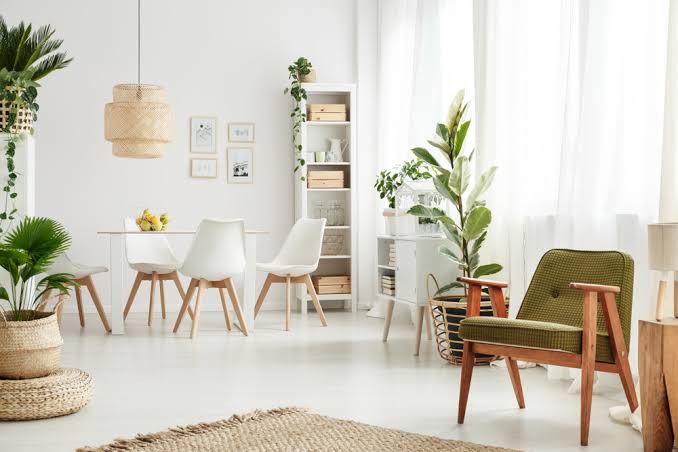
Productivity Hacks to Keep Your Home Organized Effortlessly!
Here are six high-impact productivity hacks to keep your home organized with minimal daily effort.
1. Implement the “One-Touch” Rule
The “One-Touch” rule is a classic time-management principle designed to eliminate micro-procrastination. The premise is simple: touch an item only once before it reaches its final destination.
In a typical household, items are handled multiple times unnecessarily. You take off your coat and toss it over a chair; later, you move it to the sofa; finally, you hang it in the closet. Each intermediate step creates visual clutter and demands mental energy.
How to execute:
- Mail: Sort mail immediately over the recycling bin. File bills right away and discard junk envelopes on the spot.
- Laundry: When you strip off clothing, place it directly into the hamper or hang it back in the wardrobe—never on the floor or “the chair.”
- Groceries: Put items directly into the pantry or refrigerator rather than leaving bags on the kitchen counter.
By eliminating intermediate steps, you stop clutter before it even forms.
2. Practice Habit Stacking for Daily Maintenance
If you struggle to find time for daily tidying, try “habit stacking”—a concept popularized by behavioral psychology. Instead of attempting to build an entirely new routine from scratch, anchor a small organizational task to an existing, automatic habit.
When you attach a 2-minute cleaning task to something you already do every single day, the new behavior requires almost zero willpower.
Examples of organizational habit stacks:
- While the morning coffee brews: Empty the dishwasher so dirty dishes can go straight into it throughout the day.
- While brushing your teeth at night: Wipe down the bathroom sink counter and put away toiletries.
- Right after changing into loungewear: Spend 3 minutes resetting the living room pillows and throws.
These micro-habits compound over time, preventing the buildup that leads to overwhelming weekend cleanups.
3. Establish Clear “Point-of-Use” Drop Zones
Clutter accumulates when items lack a dedicated, logical home. If returning an item to its proper place requires opening three drawers or walking across the house, human nature takes over—you will set it down on the nearest flat surface instead.
To combat this, organize your storage around point-of-use proximity. Store items as close as possible to where you actually use them.
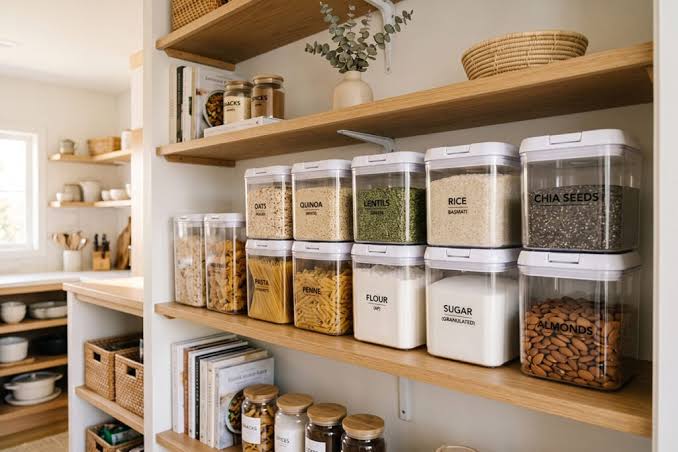
Setting up effective zones:
- Entryway Drop Zone: Place a small tray for keys, a basket for incoming packages, and dedicated hooks for daily bags right inside the front door.
- Charging Stations: Keep device chargers in a tray near the desk or nightstand where you routinely power up electronics.
- Pantry Categorization: Store breakfast items together on one accessible shelf and evening cooking staples on another.
When every item has an obvious, frictionless destination, staying organized requires zero guesswork.
4. Run a Daily 10-Minute “Nightly Reset”
End-of-day fatigue makes it tempting to leave evening mess for the morning. However, waking up to a sink full of dishes or a cluttered living room immediately triggers morning stress.
Borrow the professional workplace habit of the “closing shift.” Set a timer for 10 to 15 minutes every night before relaxing or going to bed.
Your Nightly Reset Checklist:
- Clear and wipe down kitchen countertops.
- Run or load the dishwasher.
- Return stray items in common areas to their designated rooms.
- Prepare your workspace or outfit for the next morning.
Treat this as a hard boundary to close out the day. When the timer rings, stop. Waking up to a fresh, orderly environment sets a calm, productive tone for the entire morning.
5. Enforce the “One In, One Out” System
Physical clutter is ultimately a storage capacity issue. Homes become disorganized when the volume of belongings exceeds the space available to hold them comfortably.
To maintain equilibrium without constant purging, enforce the “One In, One Out” rule. For every new item you bring into your home, choose a similar existing item to donate, sell, or recycle.
Where to apply it:
- Wardrobe: Bought a new sweater? Donate an older one you haven’t worn in the past year.
- Kitchenware: Adding a new appliance or mug? Remove an underutilized piece to keep cabinet space functional.
- Children’s Toys: Pass along older toys when new birthday or holiday gifts arrive.
This rule creates a self-regulating threshold, ensuring your home storage never reaches a tipping point.
6. Conduct Seasonal 15-Minute Micro-Decluttering Sweeps
The thought of decluttering an entire home or deep-cleaning every closet can feel paralyzing. High-efficiency organizers bypass this overwhelm by breaking decluttering down into micro-bursts.
Instead of dedicating an entire Saturday to your wardrobe or garage, schedule 15-minute micro-sweeps targeted at a single shelf, drawer, or cabinet.
How to run a micro-sweep:
- Pick one specific drawer (e.g., the kitchen junk drawer or bathroom medicine cabinet).
- Set a strict 15-minute timer.
- Empty the contents, toss expired or broken items, wipe the surface, and put back only what belongs.
- Stop immediately when the timer expires.
Regularly executing small, focused sweeps keeps your spaces streamlined year-round without demanding massive blocks of free time.
Checkout Home Organisation Storage Ideas on Amazon
Conclusion
Keeping your home organized doesn’t require rigid perfectionism or hours of grueling housework. By shifting your approach from massive cleanups to subtle productivity systems—like the One-Touch rule, daily resets, and point-of-use drop zones—you create a living environment that naturally stays tidy. Start by selecting just one or two of these hacks this week, establish the momentum, and enjoy the mental clarity that comes with a well-ordered home.
Related Posts