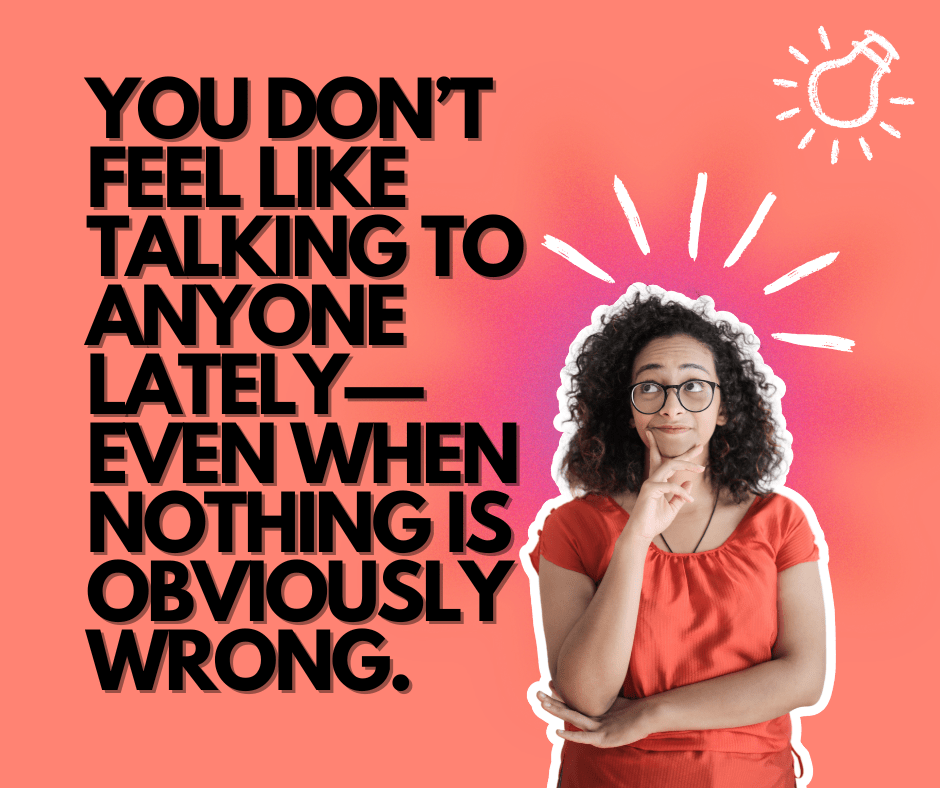
Have you ever spent a whole day resting or doing very little, only to feel mentally exhausted by evening? It’s a common experience that can leave you puzzled. You might expect that doing nothing would recharge your brain, but instead, you feel drained. Understanding why you feel mentally tired even when doing nothing can help you break this cycle and find real rest.
5 Reasons Why You Are Mentally Tired Even When Doing Nothing
Mental Fatigue Without Physical Activity
Mental tiredness doesn’t always come from physical exertion. Your brain can feel exhausted even when your body is still. This happens because mental fatigue is linked to how your brain processes information, manages emotions, and handles stress.
When you do nothing physically, your mind might still be active in ways you don’t notice. For example:
- Overthinking or worrying about past events or future tasks
- Constantly checking your phone or social media without realizing how draining it is
- Feeling bored or restless, which can create mental tension
- Trying to relax but struggling to switch off your thoughts
These mental activities use energy, and if your brain stays in this state for hours, it can lead to feeling tired.
> How to Stay Motivated When You Feel Low
The Role of Stress and Anxiety
Stress doesn’t always come from busy schedules or deadlines. Sometimes, it’s the invisible kind that lingers even when you’re not doing anything. Anxiety or unresolved worries can keep your brain in a heightened state of alertness.
This constant mental alertness uses up energy and prevents your brain from fully relaxing. Even if your body is resting, your mind is working hard behind the scenes. This can explain why you feel mentally tired even when doing nothing.
> Daily Spiritual Cleansing Rituals for Stress Relief
Lack of Quality Rest and Sleep
Resting doesn’t always mean your brain is resting. If you spend the day lying down but your mind is racing, your brain isn’t getting the break it needs. Poor sleep quality or irregular sleep patterns can also contribute to mental fatigue.
Sleep is when your brain processes memories, clears out toxins, and resets itself. Without good sleep, your brain struggles to recover, making you feel tired even during low-activity days.
How Screen Time Affects Mental Energy
Even passive activities like scrolling through your phone or watching TV can tire your brain. Screens emit blue light, which can interfere with your natural sleep cycle and keep your brain alert.
Moreover, the constant flow of information demands mental processing, even if you’re not actively engaging. This passive mental load can add up and leave you feeling drained.
The Impact of Poor Nutrition and Hydration
Your brain needs fuel to function well. Skipping meals, eating too much sugar, or not drinking enough water can affect your mental energy. When your body lacks essential nutrients, your brain struggles to maintain focus and alertness.
For example, dehydration can cause headaches and fatigue, while a diet low in vitamins and minerals can reduce your brain’s efficiency. This can make you feel mentally tired even if you haven’t done much physically.

How to Recharge Your Mental Energy
Knowing why you feel mentally tired even when doing nothing is the first step. Here are practical ways to help your brain recover:
- Practice mindfulness or meditation to calm racing thoughts and reduce stress
- Limit screen time, especially before bed, to improve sleep quality
- Stay hydrated and eat balanced meals with plenty of fruits, vegetables, and protein
- Get regular physical activity, even light exercise like walking, to boost brain function
- Create a bedtime routine that helps your brain wind down and prepare for restful sleep
- Take short breaks during the day to avoid mental overload, even if you’re not busy
> Simple Rituals to Feel Safe, Slow, and Rested Again
When to Seek Help
If you consistently feel mentally tired even when doing nothing, and it affects your daily life, it might be a sign of an underlying issue such as chronic stress, anxiety, or depression. Talking to a healthcare professional can help identify the cause and find the right support.
Related: Immunity Isn’t Just Health — It’s Your Daily Advantage in Urban Life