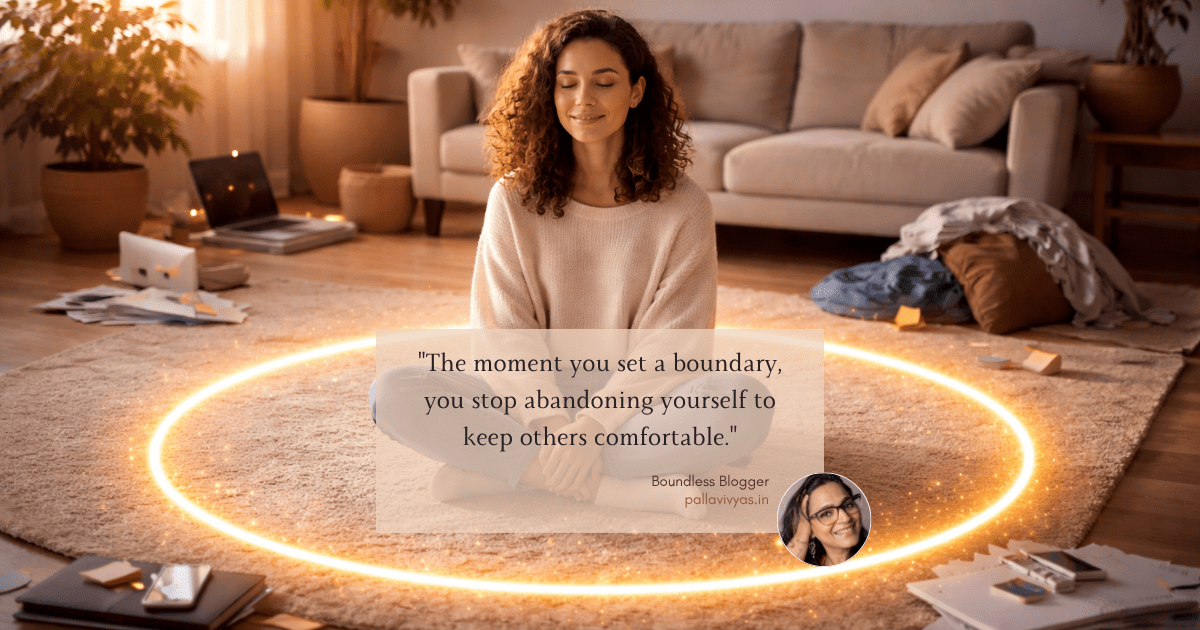
Boundaries Are Not Selfish—Here’s What You’re Getting Wrong about protecting your time, energy, and emotional space
Scroll through Instagram. Read a Pinterest quote. Browse a Reddit thread, and you’ll notice a pattern. Everyone is talking about “boundaries.” Yet, despite the buzz, the concept is still widely misunderstood.
Across social platforms, boundaries are often reduced to aesthetic one-liners- “protect your peace,” “cut people off,” “say no Unapologetically.” While empowering on the surface, this oversimplification has created confusion. Many people now associate boundaries with distance, rejection, or even selfishness.
But here’s the truth: boundaries are not about pushing others away—they’re about not abandoning yourself.
Why Boundaries Feel “Selfish” in Today’s Culture
1. We’ve Been Socialized to Prioritize Others First
From family expectations to workplace dynamics, many of us were taught that being “good” means being available, agreeable, and accommodating.
On Facebook discussions and community forums, a recurring theme emerges:
“I feel guilty saying no, even when I’m overwhelmed.”
That guilt is learned-not natural.
2. Social Media Promotes Extremes
On Instagram and Pinterest, boundaries are often portrayed in black-and-white terms:
- Cut people off
- Walk away instantly
- Choose yourself at all costs
While these messages can be empowering, they lack nuance. Real-life boundaries are rarely dramatic—they’re subtle, consistent, and often uncomfortable.
3. We Confuse Boundaries with Rejection
In relationship threads on forums, people often interpret someone setting a boundary as:
- Disinterest
- Lack of care
- Emotional withdrawal
But a boundary doesn’t mean “I don’t care about you.”
It means “I also care about myself.”
What Boundaries Actually Are (And What They’re Not)
Boundaries Are:
- Clear communication of your limits
- A way to protect your mental and emotional energy
- A tool for healthier, more sustainable relationships
Boundaries Are NOT:
- Punishment
- Control over others
- Avoidance of responsibility
This distinction is often missing in viral content, leading to misinterpretation and misuse.
The Hidden Cost of Not Setting Boundaries
Across social forums, one pattern is consistent: burnout.
People who struggle with boundaries often report:
- Chronic stress
- Resentment in relationships
- Physical tension (neck, shoulders, fatigue)
- Emotional exhaustion
When you constantly say “yes” to others, you slowly say “no” to yourself.
Why Healthy Boundaries Improve Relationships
Contrary to popular belief, boundaries don’t break relationships—they strengthen them.
When you communicate your limits:
- Expectations become clearer
- Resentment reduces
- Respect increases
On platforms like Reddit and Facebook groups, users who successfully implemented boundaries often share a surprising outcome:
“My relationships actually improved once I stopped over-giving.”
What You’re Getting Wrong About Boundaries
1. You Think Boundaries Need to Be Harsh
They don’t.
A boundary can sound like:
- “I won’t be available after 8 PM.”
- “I need some time to recharge today.”
No drama. No explanation overload.
2. You Wait Until You’re Overwhelmed
Most people set boundaries too late—when they’re already frustrated.
Healthy boundaries are proactive, not reactive.
3. You Expect Others to Like It
They might not—and that’s okay.
Discomfort doesn’t mean you’re doing something wrong. It often means you’re doing something new.
4. You Think Saying ‘No’ Needs Justification
One of the most common insights across social conversations:
People over-explain their boundaries to avoid guilt.
But a simple, respectful “no” is enough.
How to Start Setting Boundaries (Without Guilt)
Start Small
You don’t need to overhaul your life overnight. Begin with low-stakes situations.
Notice Your Energy
Pay attention to what drains vs. what sustains you. Your body often signals where boundaries are needed.
Use Clear, Calm Language
Avoid over-apologizing or over-explaining.
Example:
- Instead of: “I’m so sorry, I feel bad but…”
- Try: “I won’t be able to do that.”
Expect Some Resistance
People who benefited from your lack of boundaries will resist the change. That doesn’t make your boundary wrong.
The Real Shift: From People-Pleasing to Self-Respect
The biggest mindset shift isn’t learning how to set boundaries—it’s believing you’re allowed to have them.
Across modern conversations online, one truth stands out:
The people who struggle most with boundaries are often the ones who care the most.
But caring doesn’t require self-sacrifice.
Final Thought
Boundaries are not walls. They are bridges—between your needs and your relationships.
They allow you to show up:
- Less resentful
- More present
- More authentic
So the next time you hesitate, remember:
Choosing yourself doesn’t mean rejecting others. It means finally including yourself.
Interesting to Read:
- 5 Life Choices You Shouldn’t Follow Just Because Everyone Else Is Doing Them
- The Power of Letting Yourself Get Bored: Unlocking Creativity Through Stillness
Discover more from Boundless Blogger
Subscribe to get the latest posts sent to your email.