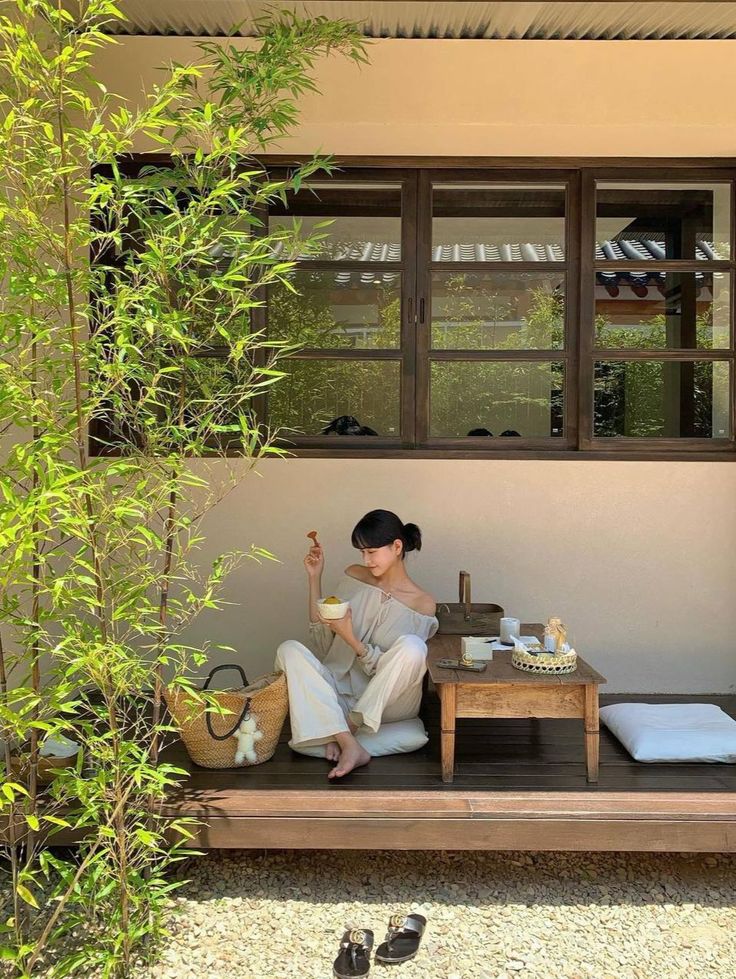
The Japanese minimalist lifestyle is admired worldwide for its calm, balanced, and meaningful approach to life. It combines simplicity, social connection, and emotional well-being.
Why Japanese People Don’t Feel Lonely and Embrace Minimalist Living
In today’s fast-moving world, loneliness has become a common struggle. Many people live surrounded by technology yet feel disconnected inside. However, Japan offers an interesting perspective. While modern Japan also faces social challenges, traditional Japanese values have long supported emotional balance, community bonding, and purposeful living. One major reason is their deep-rooted minimalist mindset and sense of belonging.
The Japanese minimalist lifestyle is not just about owning fewer things. It is about creating space for peace, relationships, and meaningful experiences. This cultural approach helps many people feel less lonely and more connected to themselves and society.
The Power of Community in Japanese Culture
Japan has always valued the group over the individual. From neighborhoods to workplaces, people are taught to think about harmony and collective well-being.
Strong Social Bonds
In many Japanese communities, neighbors know each other, greet one another, and participate in local events. Seasonal festivals, temple gatherings, and shared traditions create regular opportunities for connection.
Even small daily interactions, like greeting shopkeepers or joining morning exercises in parks, help reduce feelings of isolation.
Respect and Belonging
Japanese culture places high importance on respect, manners, and consideration. This creates smoother relationships and a sense of emotional safety in society. When people feel respected, they naturally feel more connected.
Minimalism Creates Mental Space
One of the biggest reasons the Japanese minimalist lifestyle feels calming is because clutter is reduced. A cluttered environment often creates a cluttered mind.
> Decluttering Methods to Get Rid of Excess
Less Stuff, Less Stress
Japanese homes are often designed with simplicity in mind. Clean spaces, natural light, and functional furniture encourage peace and relaxation.
Instead of filling life with unnecessary possessions, many people focus on essentials that bring value. This reduces distraction and leaves more room for emotional well-being.
> 6 Japanese Habits to Keep Your Home Clean and Organized
Mindful Ownership
Minimalism in Japan is strongly linked to gratitude. People often choose quality over quantity and care deeply for what they own. This creates a healthier relationship with material things.
When happiness is not dependent on constant buying, people are freer to enjoy relationships and experiences.
Purposeful Daily Routines Reduce Loneliness
Daily Routine can be comforting. In Japan, daily rituals often provide structure and meaning.
Everyday Habits Matter
Simple acts like preparing tea, walking to work, gardening, or keeping the home tidy are treated with mindfulness. These small habits help people stay grounded and emotionally stable.
Loneliness often grows when life feels chaotic or meaningless. Purposeful routines give each day value.
Ikigai: A Reason to Wake Up
Japan is known for the concept of Ikigai, meaning a reason for being. It can come from work, hobbies, family, service, or personal growth.
Having purpose gives emotional strength. People who wake up with meaning often feel less empty and disconnected.
If you haven’t read this book, then you should order it right now. Available on Amazon
Nature and Simplicity Heal the Mind
Japanese culture deeply respects nature. Parks, gardens, mountains, cherry blossoms, and seasonal beauty are woven into daily life.
Connection Beyond People
Loneliness is not only solved by human contact. Feeling connected to nature can also bring peace.
Practices like forest walks, flower viewing, and appreciating seasonal changes help people feel part of something larger than themselves.
Wabi-Sabi Philosophy
The Japanese concept of Wabi-Sabi teaches beauty in imperfection and simplicity. This mindset reduces pressure to be perfect and encourages acceptance.
When people accept life as it is, they suffer less emotionally.
What the World Can Learn
Many societies chase more money, more possessions, and more online attention. Yet this often increases stress and emptiness.
The Japanese minimalist lifestyle reminds us that happiness may come from:
- Meaningful relationships
- Simple surroundings
- Gratitude for small things
- Respectful communities
- Daily routines
- Purposeful living
- Connection with nature
These values help build emotional resilience and reduce loneliness naturally.
How to Apply Japanese Wisdom in Your Life
You do not need to move to Japan to learn from these habits.
Start Small
- Declutter one room at a time
- Create a calming morning routine
- Spend time in nature daily
- Greet neighbors and build community
- Practice gratitude for what you already have
- Focus on experiences over possessions
- Find your personal purpose or passion
Even small changes can create a calmer and more connected life.
Final Thoughts
Japanese people are often admired for their calmness, discipline, and simplicity. While no society is free from loneliness, traditional Japanese values offer powerful tools for emotional well-being.
The Japanese minimalist lifestyle teaches that less can truly be more. Less clutter, less distraction, and less pressure can create more peace, more connection, and more meaning.
In a world full of noise, simplicity may be the path back to ourselves.