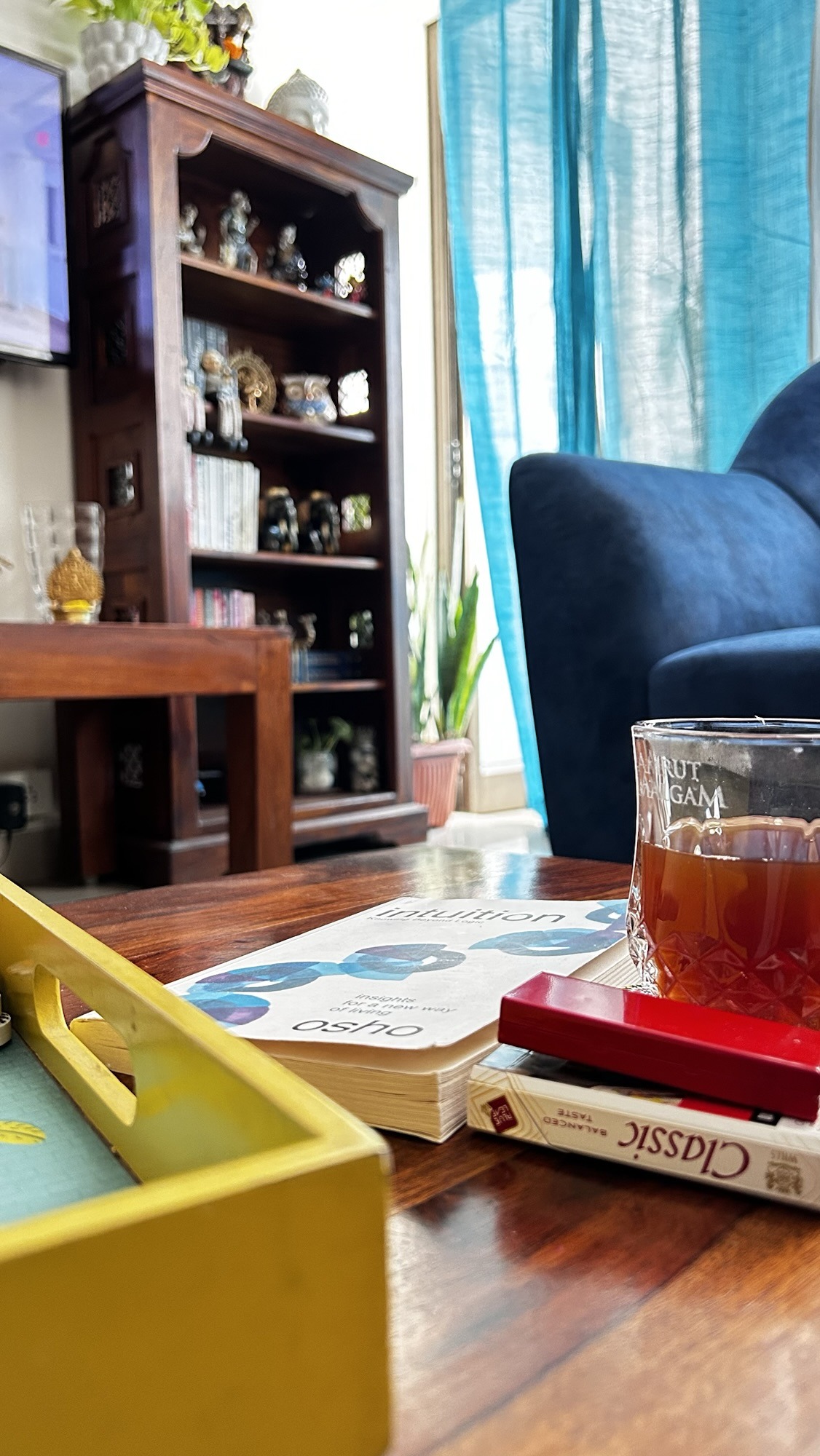
Why do we reach for alcohol when lonely or stressed? This reflective piece explores the psychology behind emotional cravings and the deeper need beneath the habit.
There’s something honest I’ve been noticing.
It’s rarely about the alcohol.
It’s rarely about the cigarette.
It’s about emotional regulation.
When we feel lonely, anxious, stressed, or even bored, our nervous system shifts into discomfort mode. Cortisol rises. The brain begins scanning for relief.
And the fastest way to relief?
Dopamine.
Alcohol temporarily increases GABA — the neurotransmitter that calms the brain. Nicotine stimulates dopamine release while also offering a paradoxical sense of relaxation.
For a brief moment, the emotional noise softens.
And the brain remembers that shortcut.
Loneliness Feels Like Threat
Research shows that social isolation activates the same brain regions as physical pain. Loneliness isn’t poetic exaggeration — it’s neurologically distressing.
So when we pour a drink at the end of a lonely day, we’re not chasing pleasure.
We’re soothing perceived threat.
We are trying to feel safe.
The Ritual Is Regulation
There’s also comfort in the ritual.
The familiar glass.
The pause between sips.
The stepping away from chaos.
The body associates repetition with safety. Over time, the ritual itself becomes a coping mechanism.
And what begins as occasional relief becomes a learned response to discomfort.
Emotional Avoidance Disguised as Relaxation
Here’s the deeper truth.
Sometimes we don’t want the drink.
We want relief from:
- Feeling unseen
- Feeling overwhelmed
- Feeling under-appreciated
- Feeling emotionally tired
The alcohol becomes a socially acceptable anesthetic.
It softens the edges of emotions we haven’t learned to process.
But relief is temporary.
The unmet need remains.
The Question That Changes Everything
Now, before reacting, I pause.
And I ask:
What am I actually needing right now?
Is it rest?
Connection?
Validation?
Movement?
Expression?
Often, the craving fades when the real need is acknowledged.
Not always.
But often enough to notice.
We Are Wired for Relief — Not Weakness
The brain is built to seek reward and avoid discomfort. Reaching for something that promises immediate relief is biology — not moral failure.
But awareness upgrades biology.
Loneliness is information.
Stress is information.
Boredom is information.
They are signals pointing toward unmet emotional needs.
And maybe healing isn’t about eliminating every coping habit overnight.
Maybe it begins with sitting quietly enough to hear what we are actually hungry for.
Because sometimes, what we’re reaching for isn’t alcohol.
It’s comfort.
And comfort doesn’t always come in a glass.
You may like to explore: Ayurveda for Anxiety: A Holistic Approach to Inner Calm
Discover more from Boundless Blogger
Subscribe to get the latest posts sent to your email.