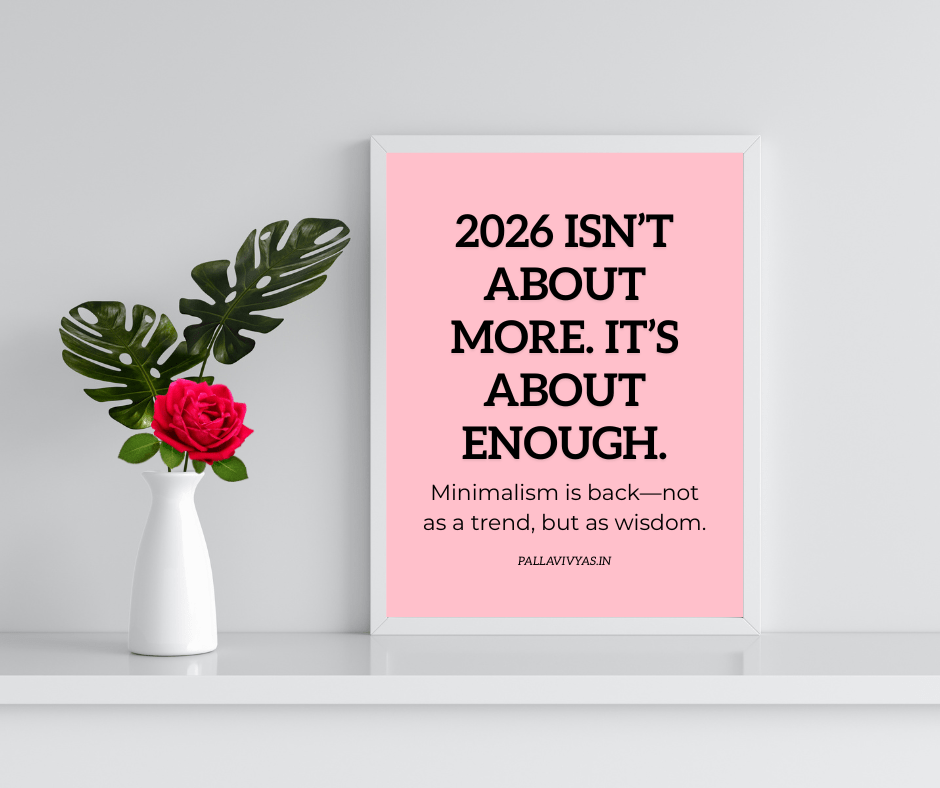
2026 isn’t about chasing more.
It’s about returning to what actually works.
Economic cycles continue to repeat. Burnout is becoming a shared language. As a result, many of us are quietly rediscovering old-fashioned habits. This is happening not out of nostalgia, but out of necessity. Living wisely, spending intentionally, cooking at home, repairing instead of replacing—these aren’t outdated ideas. They are proven life skills.
Old-fashioned doesn’t mean backward.
It means time-tested.
1. Living Wisely, Not Living on Credit
Using credit for convenience has slowly replaced using it for emergencies.
2026 calls for a reset—spend what you earn, not what you can borrow. Financial peace begins where impulse ends.
2. Home-Cooked Meals as the Default, Not the Exception
Cooking at home isn’t a sacrifice; it’s a return to nourishment—of body, budget, and relationships.
Food prepared with intention costs less and gives more.
3. Repurpose, Repair, Reuse (The Japanese Way)
Before replacing, ask: Can this be reused, repaired, or reimagined?
Throwaway culture drains money and meaning. Longevity is wisdom.
4. Buy Less, But Buy Better
Quality over quantity never goes out of style.
One well-made item outlasts five impulsive purchases—and saves you more in the long run.
5. Manage Money with a Monthly Financial Diary
Old-school? Yes.
Effective? Absolutely.
Tracking expenses by hand builds awareness apps can’t replace. When you see where money goes, you regain control.
6. Cut 10% of Monthly Wasteful Spending
Look closely at:
- Unused subscriptions
- Excess junk stocking
- Frequent eating out
- Convenience spending masked as “self-care”
Cutting just 10% can feel like a quiet raise.
7. Declutter Ruthlessly
If it hasn’t served a purpose in the last two years, let it go.
Space isn’t just physical—it’s emotional and mental too.
8. Be Part of a Community, Not Just a Consumer
Share more. Borrow more. Gift more.
Community living reduces excess and increases belonging—something no purchase can replace.
9. Choose Slow Living Over Constant Convenience
Walk to the nearby store.
Cook instead of ordering.
Spend evenings at home instead of always stepping out to “find meaning.”
Meaning is often already present—waiting for attention.
10. Value Sufficiency Over Excess
Contentment doesn’t come from access to everything.
It comes from enjoying what you already have—your home, your people, your time.
Closing Reflection
Minimalism and frugality aren’t trending because they’re aesthetic.
They’re returning because they work—financially, emotionally, practically.
Economic cycles will rise and fall.
But wisdom endures.
Related: Minimalism: My Journey to Finding Peace in Simplicity
Discover more from Boundless Blogger
Subscribe to get the latest posts sent to your email.